
A treadmill sitting halfway through a doorway can turn a simple home project into an all-day problem. It is awkward, top-heavy, and far heavier than it looks. If you are asking who moves exercise equipment, the right answer depends on the machine, the route, and whether you already have transportation.
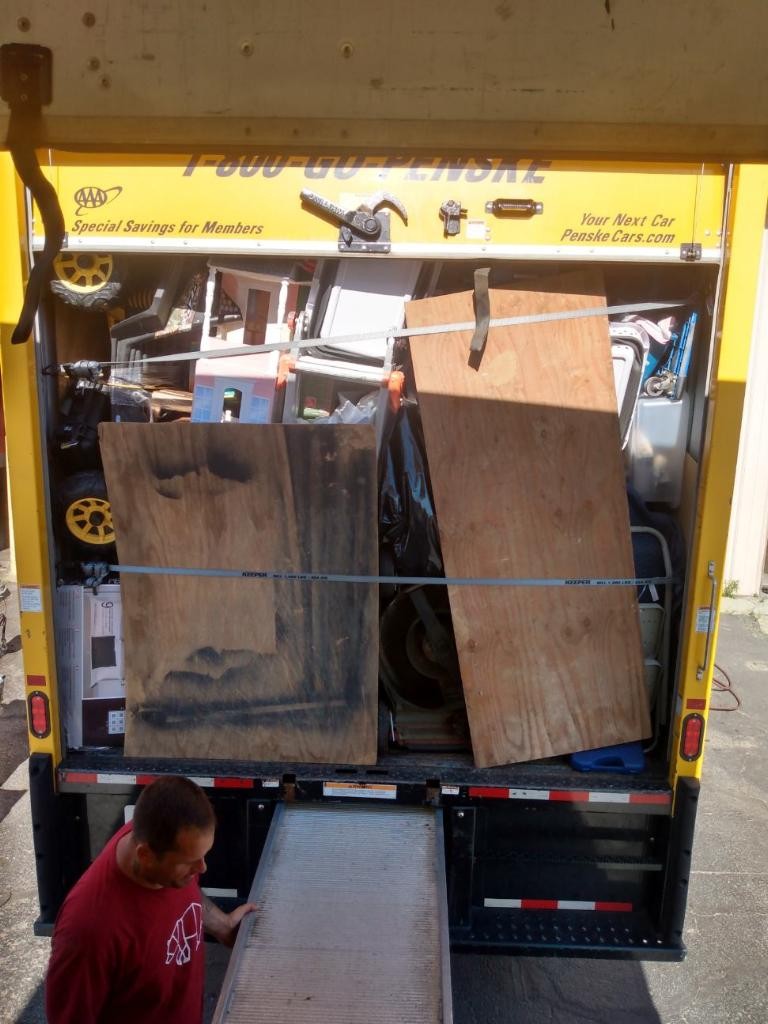
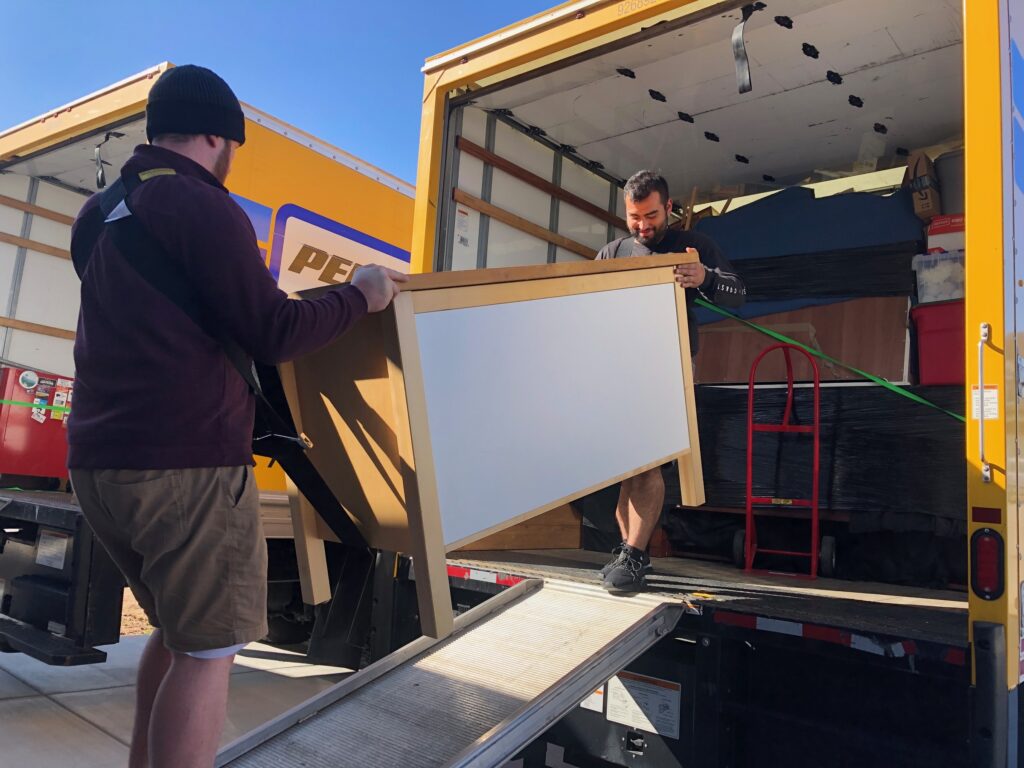
For many home gyms, a labor-only moving crew is the practical middle ground. You provide the truck, trailer, or pickup if the equipment is changing locations, and trained movers provide the lifting, loading, unloading, and careful placement. That approach can save a lot compared with a full-service moving company, especially when you only need strong, dependable help for a few heavy items.
Who Moves Exercise Equipment Safely?
Several types of companies may move exercise equipment, but they do not all offer the same service or price.
Labor-only movers are often a good fit for treadmills, stationary bikes, rowing machines, weight benches, dumbbell racks, ellipticals, and compact home-gym systems. They can move equipment within your house, carry it down apartment stairs, load it into your rental truck, or unload it at the new place. This is especially useful when you have already arranged a moving truck or are transporting one machine yourself.
Full-service moving companies can also move fitness equipment as part of a larger household relocation. Their truck, driver, and moving crew are bundled together, which is convenient when you are moving an entire home. The trade-off is cost. If all you need is help getting a treadmill from a second-floor apartment into a truck, full-service service can be more than you need.
Specialty fitness-equipment movers are best for unusually large, commercial, or delicate machines. Think multi-station cable gyms, commercial stair climbers, plate-loaded machines, or equipment that must be professionally disassembled, calibrated, and reinstalled. They may have manufacturer-specific training, but that specialty work typically comes with a higher price.
Retailers or manufacturers sometimes offer delivery and installation for newly purchased equipment. That can be a smart choice if installation is included in the purchase. It may not help, however, when you are moving a machine you already own from one home, apartment, office, or storage unit to another.
When Labor-Only Movers Make the Most Sense
Labor-only moving help works well when the job is physical but straightforward. Maybe you are rearranging a garage gym, moving a Peloton-style bike across town, or taking a treadmill out of a third-floor apartment. You do not need a truck from the moving company. You need capable people who know how to lift, maneuver, protect walls, and avoid turning a heavy object into an injury.
College Movers provides affordable labor for jobs like these at $50 per mover per hour. Local college students can help load and unload equipment, move it room to room, or carry it through the tight turns that make home and apartment moves stressful. The service is labor-only, so customers supply the vehicle and any packing materials or specialty equipment required for their particular machine.
This option is particularly useful in places with busy apartment communities. In Phoenix, for example, an elevator reservation, long hallway, and extreme heat can make a seemingly small move much harder. Having extra hands means you can work faster, protect your equipment from heat exposure, and avoid trying to muscle a heavy treadmill through a shared hallway alone.
Equipment That Usually Needs Extra Planning
Not every workout machine should be handled the same way. A folding treadmill may be manageable with two movers, while a commercial treadmill can weigh several hundred pounds and require partial disassembly. Before booking help, identify the make and model, find the product weight, and check the manufacturer’s moving instructions.
Treadmills deserve the most planning. Remove the safety key, unplug the power cord, and secure the deck if it folds. Do not assume the handrails are safe lifting points. The console and uprights can be more fragile than they look, and a machine can shift suddenly when tilted.
Exercise bikes are often easier to carry, but their flywheels make them front- or back-heavy. Remove loose accessories, pedals, water-bottle holders, screens, and weights when possible. For smart bikes with a large display, follow the manufacturer’s guidance on detaching and packing the screen.
Weight racks and dumbbells create a different challenge. A rack itself may not be difficult to move once empty, but individual plates and dumbbells add up quickly. Move the weights in smaller loads rather than overloading boxes, carts, or people. A 50-pound dumbbell that slips on stairs is not a minor mistake.
Cable machines, squat racks, and all-in-one gyms may need to be taken apart before moving. Take photos as you go, bag and label bolts, and keep hardware with the matching component. If cables need to be tensioned, routed, or calibrated after reassembly, consider whether a fitness-equipment technician is the safer choice.
Plan the Route Before Anyone Lifts
The hardest part of moving exercise equipment is usually not lifting it. It is the route.
Measure the machine at its widest point, then measure doorways, stairwells, elevator openings, hallways, and turns. Remember to account for the angle of the machine while it is being carried. A treadmill that fits through a doorway upright may not clear it when tilted on a dolly.
Clear the path completely before the crew arrives. Move shoes, rugs, plants, small furniture, and wall decor that could catch on the equipment. If you live in an apartment or condo, confirm the building’s moving hours and reserve the elevator if required. Let the property manager know if you need access to a loading zone.
It also helps to decide exactly where the equipment will go before it reaches the new room. Movers can place it where you want it, but last-minute changes mean extra carrying and more chances to scrape a wall or damage flooring. Leave enough clearance around the machine for ventilation, use, and maintenance.
What Movers May Need From You
A good moving crew can handle the labor, but customers can make the job safer by preparing a few basics. Have the equipment unplugged, cleaned, and emptied of personal items. Keep manuals or assembly instructions nearby if the machine needs partial disassembly.
If a machine requires a furniture dolly, straps, blankets, or a specific tool, ask about it before the job. Labor-only companies may be able to assist with the equipment you have, but they do not automatically provide every specialty moving supply. Being clear about the item’s weight, number of stairs, and access conditions helps the crew arrive ready for the real job.
Also be honest about damage, loose parts, or known mechanical problems. A cracked frame, wobbly rail, or detached console can change the safest way to move a machine.
Avoid the “We’ll Just Carry It” Mistake
Calling a few friends may seem like the cheapest option, but heavy fitness equipment is unforgiving. Improper lifting can cause back injuries, crushed fingers, scratched floors, damaged stair rails, or a dropped machine that costs more to repair than professional labor would have cost.
The goal is not simply to get the equipment from Point A to Point B. It is to get it there without anyone getting hurt and without finding out too late that your treadmill will not fit around the landing. For a basic move, organized labor help is often the sensible option. For complex commercial equipment, specialist service may be worth the extra expense.
Get Help With the Heavy Part
If you have the truck, trailer, POD, or pickup and need dependable muscle for the machine that nobody wants to lift, College Movers can help take the strain out of the job. Share the equipment type, access details, stairs, and destination when you book so your crew understands what needs to happen. At $50 per mover per hour, you get straightforward local moving labor while supporting hardworking college students in your community.
A little planning turns an intimidating piece of gym equipment into a manageable moving task – and lets you get back to using it sooner.
Plan exercise-equipment moves around the item, not the room
College Movers is a labor-only service for customers who already have transportation. You provide the rental truck, trailer, or portable container and the moving supplies; our local college student crews can help with scheduled loading, unloading, and suitable in-home moving work. Standard pricing is $50 per mover per hour with a two-hour minimum. Same-day requests add $5 per mover per hour and depend on local availability.
Treadmills, ellipticals, racks, and weight systems often need model-specific disassembly and can exceed what a standard crew can safely handle. Send the office photos, model numbers, approximate weights, stair details, and doorway measurements before booking. College Movers can confirm whether local crews can handle the labor or whether a specialty equipment technician is the better choice.
What to confirm before booking
- Unplug equipment and remove loose weights or accessories.
- Keep the manufacturer manual and hardware together.
- Do not assume a treadmill can be tilted safely on stairs.
Safety or consumer resource: Review the applicable government guidance. This general resource does not replace item-specific instructions or professional advice.
Check availability and book moving labor
Reviewed for College Movers service scope and pricing in October 2026.