
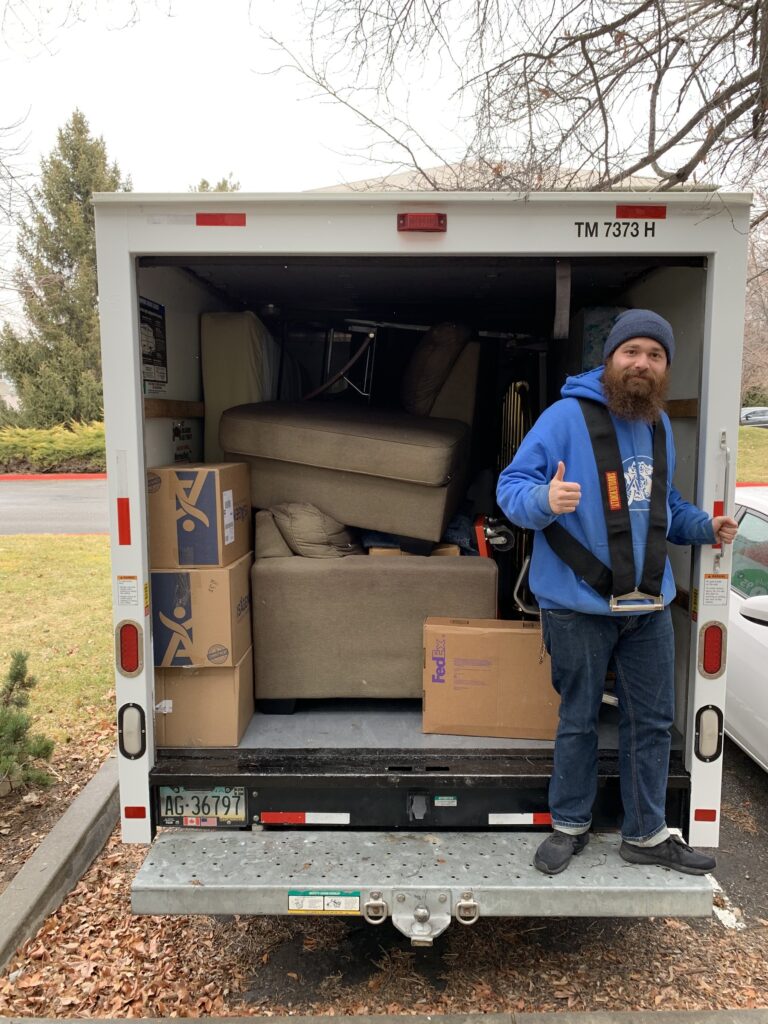
A move later in life is rarely just about getting boxes from one address to another. It can mean leaving a longtime family home, choosing what comes into a smaller space, and making sure the physical work does not create a safety risk. This senior moving guide focuses on the parts of the process that make the biggest difference: a realistic timeline, thoughtful downsizing, clear communication, and reliable help for the heavy lifting.
Start Planning Earlier Than You Think
For many seniors, the easiest move is one that is spread over several weeks instead of compressed into a single exhausting weekend. Start by identifying the move date, the new home’s layout, and the items that truly need to make the trip. If possible, give yourself six to eight weeks. More time means fewer rushed decisions and less pressure to keep items simply because there was no time to sort them.
Begin with rooms that are used less often, such as guest rooms, storage closets, garages, and formal dining areas. Leave daily essentials, medications, favorite clothing, and important documents until the final week. This keeps the home livable while progress continues.
If family members are involved, choose one person to serve as the main point of contact. Multiple well-meaning people giving different instructions can make moving day more stressful than it needs to be. A single plan for timing, donations, furniture placement, and keys keeps everyone on the same page.
Use This Senior Moving Guide to Downsize With Purpose
Downsizing can be emotional, especially when belongings carry decades of memories. The goal is not to erase those memories. It is to bring the items that will support a comfortable, safe next chapter.
Before packing, measure the new home. Confirm room dimensions, door widths, elevator availability, and storage space. A beloved sectional may not fit in a senior apartment, condo, or assisted living community, and discovering that after it is loaded creates an expensive problem. In apartment-heavy cities such as Austin, it also helps to reserve elevators and loading areas well before move day.
A practical way to sort is to make four clear categories:
- Keep items that fit the new space and are used or genuinely loved.
- Share meaningful belongings with family or friends now, rather than putting off the decision.
- Donate useful furniture, housewares, and clothing that no longer serve a purpose.
- Dispose of broken, expired, or unsafe items responsibly.
Take photos of sentimental items that will not be coming along. A photo album of a childhood piano, holiday decorations, or a well-loved kitchen can preserve the story without requiring more square footage. For collections, consider keeping a small representative selection instead of every piece.
Make Safety the First Priority
Moving is physical work, and even a minor strain or fall can derail a carefully planned transition. Seniors should not feel obligated to lift boxes, carry furniture, climb stairs, or wrestle with heavy items through narrow doorways. Save your energy for decisions that only you can make.
Create a clear path through the home before movers arrive. Remove loose rugs, cords, small tables, and clutter from hallways. Keep pets in a quiet room or with a trusted friend. Make sure exterior walkways are clear, especially if rain, ice, or uneven pavement could create a slip hazard.
Pack boxes light enough to manage if they need to be moved later. Books, canned goods, and dishes become surprisingly heavy when packed together. Smaller boxes are often better for dense items, while larger boxes work well for linens, pillows, and lightweight clothing.
Keep a personal essentials bag with medications, glasses, chargers, identification, paperwork, a change of clothes, and basic toiletries. This bag should stay with you, not in the moving truck. The same goes for valuable jewelry, family documents, checkbooks, and irreplaceable photographs.
Choose the Right Type of Moving Help
Not every move needs a traditional full-service moving company. If you already have a rental truck, trailer, portable storage container, or family member driving a vehicle, labor-only movers can be a practical way to control costs while still getting professional help with the hardest part.
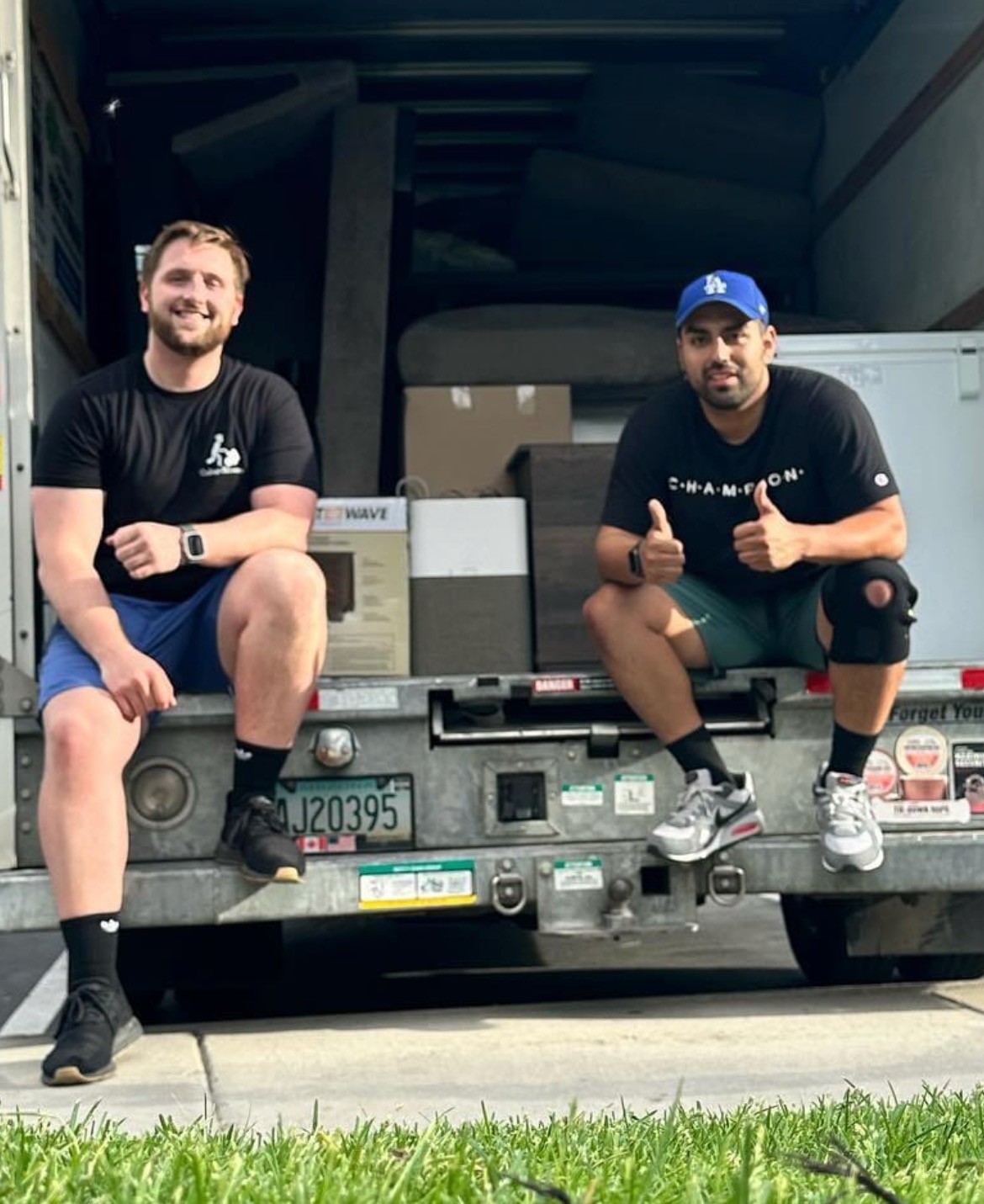
College Movers provides motivated local college students for loading, unloading, in-home moving, packing help, and furniture rearranging. At $50 per mover per hour, customers can book the labor they need without paying for a truck they do not need. That can work especially well for a senior moving into a smaller home, helping a parent relocate nearby, or unloading a POD at a retirement community.
The right amount of help depends on the home, the number of stairs, the distance from parking to the door, and the amount of furniture. A one-bedroom apartment may need a smaller crew than a three-bedroom home with a garage and heavy furniture. Be honest about difficult items such as recliners, adjustable beds, antique dressers, safes, or large entertainment centers so the crew can arrive prepared to work efficiently.
Set Up the New Home Before Moving Day
The best senior moves prioritize comfort from the first night. Rather than simply unloading everything into the new space, make a basic setup plan before the truck arrives. Decide where the bed, favorite chair, lamps, television, and everyday kitchen items will go.
Start with the bedroom and bathroom. The bed should be assembled, linens accessible, and a clear pathway available to the bathroom. Put a lamp, phone charger, water, and medications within easy reach. If mobility is a concern, avoid placing frequently used items on high shelves or low cabinets that require bending.
Then focus on the kitchen and living room. Place coffee supplies, simple meals, dishes, and utensils where they are easy to find. Set up one familiar sitting area early. A comfortable chair, family photos, and a familiar blanket can make a new room feel less unfamiliar after a long day.
Label boxes by both room and priority. “Kitchen” is helpful, but “Kitchen – first day” is better. “Bedroom – open first” helps a crew or family member place the right boxes where they will be useful immediately.
Communicate Clearly on Moving Day
Moving day goes better when there is a simple plan and someone available to answer questions. Give movers a quick walkthrough before work begins. Point out fragile pieces, items that are staying behind, boxes that should be loaded last, and furniture that needs to go to a specific room at the new home.
You do not need to supervise every lift. In fact, trying to direct every box can become tiring quickly. Stay available, take breaks, drink water, and let experienced movers handle the physical work. If a decision comes up, such as whether a large chair fits through a doorway, it is usually better to pause and assess than force it.
If you are coordinating a move for a parent or relative from another city, write down the plan in advance. Include the new address, building access instructions, emergency contacts, furniture placement notes, and a list of valuables traveling with family. Clear notes reduce confusion when several people are helping.
Give Yourself Permission to Settle In Slowly
A new home does not have to be completely unpacked by nightfall. The first goal is to make it safe, functional, and restful. Boxes that are not immediately needed can wait a few days while you get used to the space.
If you need affordable, dependable hands for the parts of the move that are too heavy to tackle alone, College Movers can help with the loading, unloading, and furniture placement. Booking labor at $50 per mover per hour gives you a straightforward option for getting help without hidden fees or a complicated moving quote.
A calmer move comes from making fewer rushed decisions, protecting your energy, and keeping the things that truly make a new place feel like home.
Use this guide for downsizing and home safety
College Movers is a labor-only service for customers who already have transportation. You provide the rental truck, trailer, or portable container and the moving supplies; our local college student crews can help with scheduled loading, unloading, and suitable in-home moving work. Standard pricing is $50 per mover per hour with a two-hour minimum. Same-day requests add $5 per mover per hour and depend on local availability.
Start several weeks ahead by choosing what will move, what will be donated, and what needs family review. Keep medication, documents, mobility aids, and one night of essentials with the older adult rather than on the truck. At the new home, clear walking paths and set up the bed, bathroom, and a comfortable chair first.
What to confirm before booking
- Name one family coordinator who can answer crew questions.
- Label boxes by destination room and mark priority items.
- Remove rugs, cords, and clutter from walking routes before lifting begins.
Safety or consumer resource: Review the applicable government guidance. This general resource does not replace item-specific instructions or professional advice.
Check availability and book moving labor
Reviewed for College Movers service scope and pricing in October 2026.