
A Salt Lake City move in checklist can save you from the kind of moving-day problems that feel small until you are carrying a couch up three flights of stairs. Apartment moves here often involve reserved loading zones, elevator rules, tight parking, changing weather, and lease requirements that need attention before the truck arrives.
Whether you are moving near downtown, into a Sugar House apartment, closer to the University of Utah, or out toward the west side, a little planning keeps the day affordable and far less stressful. Start early, confirm the building details, and focus on the few tasks that protect your time, your belongings, and your security deposit.
Salt Lake City Move In Checklist Before Moving Day
The best time to solve moving problems is before your keys are in one hand and your mattress is in the other. Review your lease and ask your property manager for move-in instructions at least a week ahead. Some apartment communities require a scheduled elevator, proof of insurance, a loading dock reservation, or a refundable deposit for move-in access.
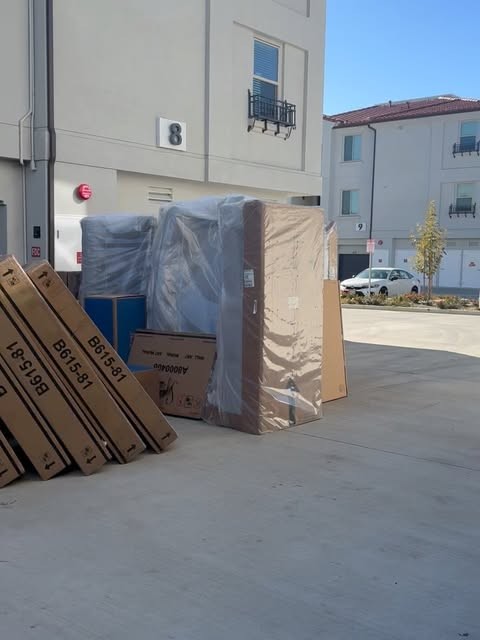
Confirm where your truck, trailer, or moving container can park. Downtown Salt Lake City and busier apartment corridors can make curb space limited, especially during weekday business hours. If your building has a garage or alley entrance, make sure the truck height and turning space will work. A 26-foot rental truck may not fit where a pickup and trailer can.
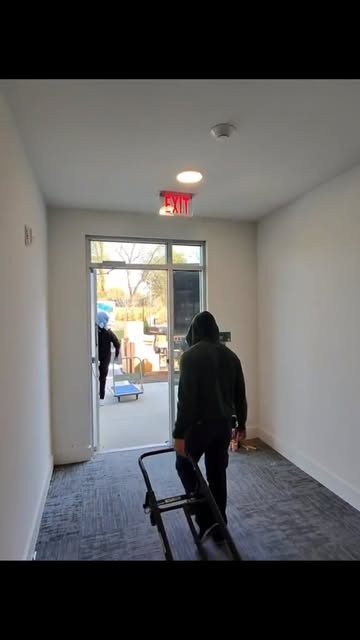
You should also confirm the route from the vehicle to your unit. Ask about stairwells, elevator dimensions, door widths, gate codes, and the distance from the loading area. That information helps you decide how much labor you need and whether large furniture should be disassembled before moving day.
Before the move, take care of these essentials:
- Schedule electricity, gas, water, trash, and internet service to begin no later than move-in day.
- Update your mailing address, employer records, insurance information, and delivery accounts.
- Reserve your building elevator or loading area if required.
- Put keys, lease documents, photo ID, chargers, medications, and basic cleaning supplies in one bag that stays with you.
- Check the forecast and keep blankets, tarps, or plastic wrap ready if rain or snow is possible.
Salt Lake weather can change quickly. Winter moves may mean icy walks and wet shoes, while summer moves can bring intense sun and hot truck interiors. Protect upholstered furniture and leave yourself extra time when conditions are not ideal.
Do a Walkthrough Before You Unload
Do not wait until the apartment is full of boxes to inspect it. Walk through every room before unloading furniture and document the condition with photos or video. Focus on walls, flooring, appliances, windows, blinds, cabinets, and any existing stains, dents, or damage.
Test the basics too. Turn on faucets, flush toilets, check outlets, run the heating or air conditioning, and make sure smoke detectors are working. If something is wrong, report it promptly in writing. A clear record is one of the simplest ways to avoid being blamed for pre-existing damage when you move out.
This is also the right time to measure. Check the bedroom door, staircase turns, and elevator opening before trying to force a sectional sofa through them. If a piece will not fit, it is better to adjust the plan early than damage the furniture, a wall, or both.
Pack for the First 24 Hours, Not Just the Move
A move-in day usually runs longer than expected, especially if you are waiting on an elevator or unloading from a POD or rental truck. Pack a first-night box with toilet paper, towels, bedding, a shower curtain, snacks, water, basic tools, paper plates, and a phone charger.
Label boxes by both room and priority. “Kitchen” helps, but “Kitchen – open first” is better. Keep hardware from bed frames, tables, and TV stands in labeled bags taped directly to the furniture or packed in a clearly marked box. Small hardware is easy to lose when several people are carrying items at once.
If you are moving into a shared apartment, decide ahead of time who gets which bedroom, where common furniture will go, and who is responsible for utilities. Those conversations take five minutes before the move and can prevent a frustrating rearrangement later.
Plan the Heavy Lifting Around Your Building
You do not need a full-service moving company if you already have a truck, trailer, or storage container. Labor-only help can be a practical choice when the real challenge is loading, unloading, stairs, heavy furniture, or arranging items inside the new place.
Make a simple priority plan for the crew: beds and large furniture first, then appliances, then boxes. Clear hallways before moving begins, and point out anything fragile or unusually heavy. If the truck is packed well, unloading larger pieces first often creates space to stage boxes without blocking the doorway.
College Movers provides local student-powered moving labor for customers who need capable help without paying for a truck they already have. At $50 per mover per hour, the pricing is straightforward for apartment unloading, furniture moving, loading a rental truck, or getting a heavy item up the stairs. It is a good fit for renters, students, families, and anyone who wants reliable hands for the physical work.
There is a trade-off, though. Labor-only movers bring the muscle, while you handle the truck, supplies, parking arrangements, and building approvals. For many Salt Lake City renters, that setup is exactly what keeps the move within budget. Just make sure the truck is packed, access is approved, and you have enough time reserved for the building layout.
Set Up Your Apartment Without Creating More Work
Once the heavy furniture is in place, build the room around the pieces you use every day. Assemble beds first. Then set up the bathroom, kitchen basics, and a place to sit. You do not need every picture hung or every box emptied before you can call the move successful.
Keep unopened boxes grouped by room instead of scattering them throughout the apartment. This makes it easier to live in the space while you unpack over the next few days. Break down cardboard as you go, but check your building’s recycling rules before leaving boxes near dumpsters or hallways.
If you are moving during a busy rental season, be considerate of neighbors and building staff. Keep doors and hallways clear, avoid blocking shared entrances, and finish the loudest work during reasonable hours. Small things like that make a better first impression in a new community.
Final Move-In Checks for Salt Lake City Renters
Before returning the truck or closing out the day, walk through your old and new spaces one more time. Check the truck cargo area, elevator, hallways, closets, storage units, and parking spot for overlooked items. Confirm you have all keys, garage remotes, mailbox keys, and access fobs.
At the new apartment, make sure major furniture is where it needs to stay before the movers leave. Moving a couch across a room later is possible, but it is much easier while you already have help on site. Take a quick count of boxes, verify that nothing looks damaged, and keep receipts or photos if you need to follow up on an issue.
When you are ready to plan the physical side of your move, book your help early and have the building details ready. A well-organized move lets you spend less time wrestling furniture and more time making your new Salt Lake City place feel like home.
A Salt Lake City move-in plan that fits College Movers
College Movers is a labor-only service for renters who already have a rental truck, trailer, or portable container. You provide the vehicle and moving supplies; our local college student crew can handle scheduled loading, unloading, and in-home furniture moves. Standard pricing is $50 per mover per hour with a two-hour minimum. Same-day requests add $5 per mover per hour and depend on local availability.
For Salt Lake City renters, access usually determines the schedule more than mileage. Confirm whether the building requires an elevator reservation, where a truck can legally stand, and how far the crew must carry items from the curb. Near downtown and the University of Utah, loading zones and apartment turnover traffic can make an early start especially useful. In winter, clear snow and ice from every walking path before the crew arrives.
Before your Salt Lake City crew arrives
- Reserve the elevator and loading area, and share any building time limits.
- Measure large furniture against doors, stair turns, and elevator openings.
- Have the truck, blankets, straps, boxes, and tape ready before paid time begins.
- Tell the office about stairs, long carries, oversized items, or difficult parking.
Check Salt Lake City availability and book moving labor
Reviewed for College Movers service scope and pricing in October 2026.