
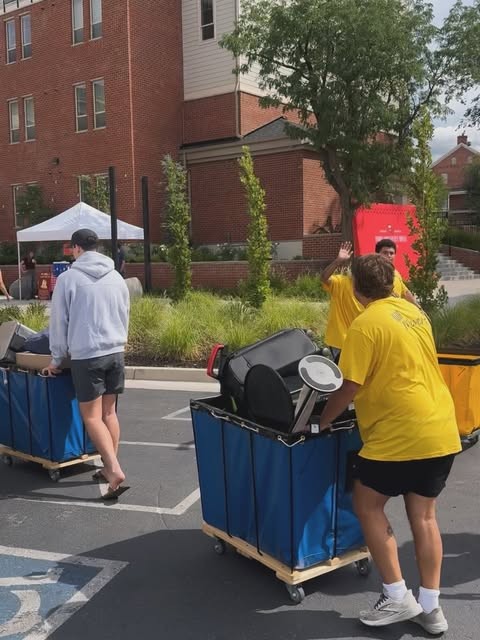
Dorm move-in is not a normal move. You may have one elevator, a tight unloading window, a roommate arriving at the same time, and a room that feels much smaller than it looked online. The best ways to pack a dorm focus on making each item easy to carry, easy to find, and worth the space it takes up once you are settled.
A little planning saves more than time. It keeps you from hauling three storage bins up four flights of stairs only to realize you packed duplicate towels, a bulky kitchen appliance, and clothes you will not wear until winter break.
Start With the Room, Not the Shopping List
Before packing a single box, check your school housing page for room dimensions, furniture included, move-in rules, and whether you can loft or adjust the bed. A dorm room usually provides the basics: a bed, desk, chair, dresser or drawers, and limited closet space. That changes what you actually need to bring.
Talk with your roommate early, too. Decide who is bringing shared items such as a microwave, mini fridge, rug, coffee maker, trash can, television, and cleaning supplies. Two of everything creates clutter fast, especially in a shared room.
If you are moving into student housing in a hot place like Phoenix, AZ, breathable bedding and a small fan may be more useful in August than heavy comforters and oversized winter storage. The details depend on the campus and climate, which is exactly why a room-specific plan beats a generic packing checklist.
Pack by First Use, Not by Category
The biggest move-in mistake is packing everything neatly by category, then having to open every box to find a phone charger or shower towel. Instead, pack around when you will need things.
Your first-night bag should stay with you in the car. Include your ID, housing paperwork, medications, wallet, keys, chargers, toiletries, a change of clothes, pajamas, shower shoes, and bedding. Add a water bottle and a few snacks. Move-in day can run longer than expected, and campus food options may be crowded or closed.
Next, make one clearly labeled “open first” tote. Put your bedding, extension cord or power strip approved for dorm use, lamp, basic cleaning supplies, command hooks if allowed, scissors, tape, and a small toolkit inside. Once the bed is made and the floor is clear, the whole room feels more manageable.
Use Soft Containers for Bulky Items
Hard plastic bins are useful for supplies and under-bed storage, but they are not the answer for everything. Soft duffel bags, laundry bags, and zippered bedding bags work better for clothing, towels, pillows, blankets, and shoes. They weigh less, fit around awkward corners, and can be folded away after move-in.
Use bins for items that need protection or will stay organized in the room: desk supplies, toiletries, pantry food, electronics, and seasonal gear. Clear bins can help, but labels still matter. Write the contents and destination on at least two sides so you can identify a container when it is stacked in a hallway or elevator line.
Keep each container light enough for one person to handle safely. A packed tote can become surprisingly heavy, especially with books, canned food, or cleaning products inside. Smaller loads are slower on paper but much easier to carry through crowded dorm entrances.
Make a Realistic Clothing Plan
Dorm closets are small, and overpacking clothes takes up room needed for school supplies, laundry, and everyday living. Bring what fits the current season, a few layers for changing weather, and outfits you know you will wear. You can swap seasonal clothing during a visit home or have family ship a box later if needed.
For most students, enough clothing for about two weeks works well if laundry is available nearby. Use slim hangers and pack hanging clothes in a garment bag or a large trash bag pulled up around the hangers. When you arrive, they can go directly into the closet without being folded and unfolded again.
Shoes can quietly take over a dorm floor. Limit yourself to daily shoes, shower shoes, workout shoes, and one or two pairs for going out or special events. Store them in a low organizer only after you confirm there is room under the bed.
Protect Electronics and Fragile Items
Pack laptops, tablets, cameras, and important documents separately from the main load. These are the things you do not want to lose in a pile of identical bins. Keep them with you whenever possible.
For fragile items, use towels, T-shirts, or bedding as padding instead of buying extra packing material. Wrap lamps, framed photos, dishes, and decor individually, then fill empty space in the box so items cannot shift. Do not pack glass with heavy books or dorm hardware.
Take photos of expensive electronics and serial numbers before you leave. It is a simple record to have if something is damaged, misplaced, or needs to be identified later.
Skip What the Dorm Will Not Need
The best dorm packing list includes a strong “do not bring” section. Dorm rooms do not need full-size furniture, a large set of dishes, a giant printer, or enough decor to fill an apartment. Most residence halls also limit appliances and prohibit items with exposed heating elements, candles, and other fire risks.
Check your housing rules before packing appliances. A compact, approved coffee maker may be fine, while a hot plate may not be. If an item is useful only once in a while, ask whether you can borrow it, share it, or wait until you know you need it.
This is where parents and students can save money. Buying less before move-in means less to transport, less to store, and less to move out at the end of the semester.
Load the Vehicle in Reverse Order
When you pack a car, SUV, trailer, or moving truck, load the items you need last at home first in the vehicle. Your first-night bag and open-first tote should be the last things loaded so they are the first things out.
Put heavier bins and small furniture low and close to the vehicle walls. Place soft bags and bedding around them to prevent shifting. Keep a clear path to the items you will need at check-in, including parking paperwork, keys, and the room assignment.
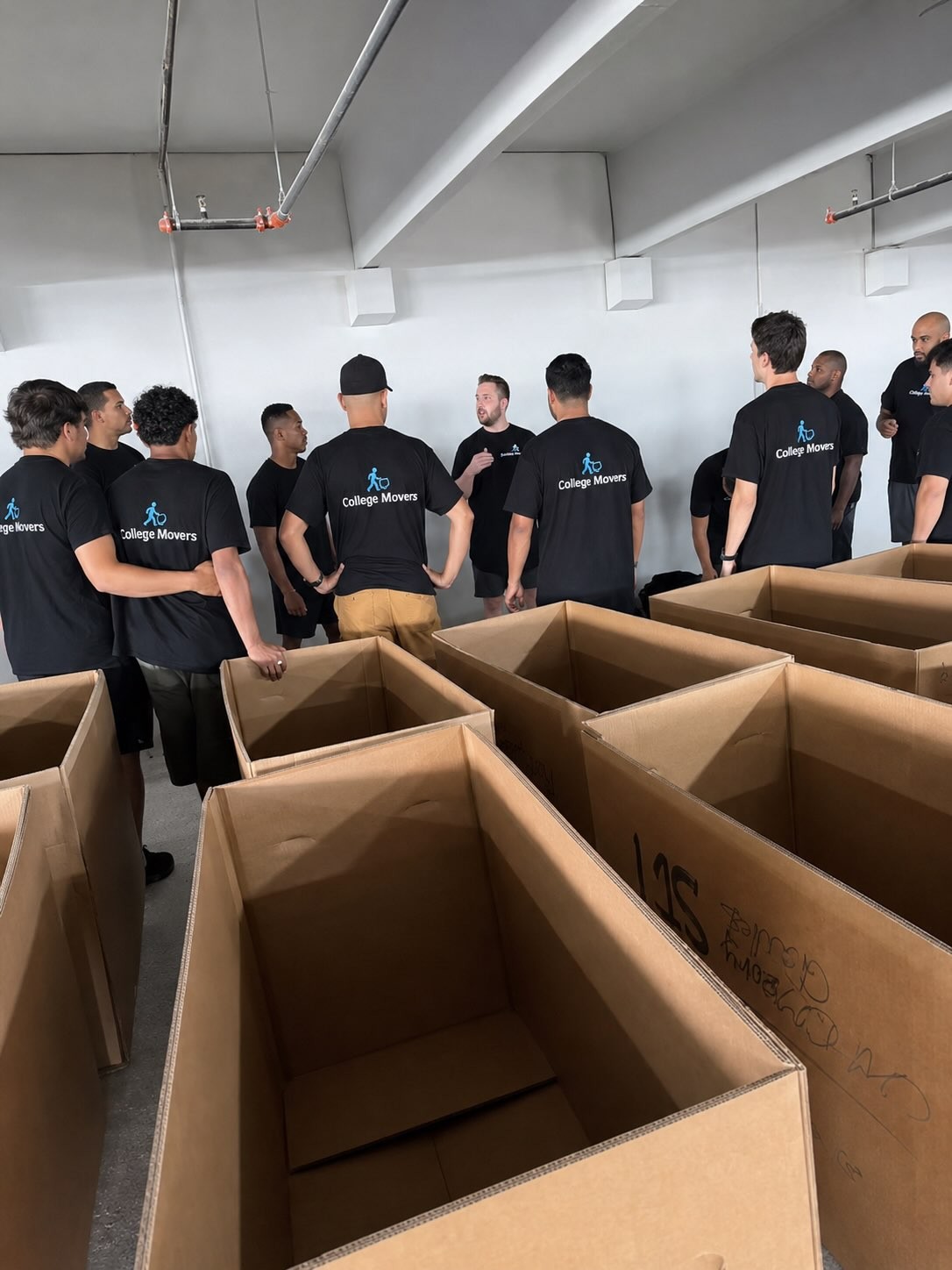
If you are using a truck for a larger student move, a labor-only crew can make loading and unloading safer without paying for a full-service moving company or another vehicle. College Movers provides student-powered moving help at $50 per mover per hour, which can be especially helpful when a dorm has stairs, limited parking, or a narrow move-in time slot.
Plan for the Dorm, Not Just the Driveway
A smooth arrival depends on what happens after you park. Find out where unloading is allowed, whether carts are available, which entrance is closest to your room, and how elevator access works. Some campuses assign specific arrival windows, so showing up early does not always help.
Bring a folding hand truck only if your school allows it and you have room for it. Otherwise, compact containers with handles are often easier to manage in crowds. Keep hallway traffic moving, unload quickly, and move your vehicle when required before starting the decorating process.
For students and families needing extra hands with a move in the Austin area, College Movers can handle the lifting while you focus on check-in, keys, and getting the room set up. Our motivated local college students are there for the physical work, with simple hourly pricing and no surprise moving-company quote.
Give Yourself Permission to Finish Later
You do not need a perfect dorm room by noon. Make the bed, unpack daily essentials, set up the desk, and clear a walking path. The rest can happen after you eat, meet your roommate, and get a feel for the room.
That slower approach also prevents unnecessary purchases. Live in the space for a few days before buying more organizers, wall decor, or storage furniture. You may find that the best solution is not another bin, but fewer things.
Packing a dorm well is really about giving yourself an easier first week. Bring what you will use, label it so you can find it, and leave room for the routines and memories that will make that small room feel like yours.
Pack for a fast dorm load-in
College Movers is a labor-only service for customers who already have transportation. You provide the rental truck, trailer, or portable container and the moving supplies; our local college student crews can help with scheduled loading, unloading, and suitable in-home moving work. Standard pricing is $50 per mover per hour with a two-hour minimum. Same-day requests add $5 per mover per hour and depend on local availability.
Dorm moves reward simple labeling and small, stackable containers. Keep the first-night kit, school ID, keys, medication, and electronics with you. Before arrival, check the school’s loading window, cart policy, elevator access, and prohibited items so the paid crew time is used for carrying rather than sorting.
What to confirm before booking
- Label every bin with the student name, building, and room.
- Use smaller boxes for books and dense items.
- Break down removable shelves and tape hardware to the furniture.
Check availability and book moving labor
Reviewed for College Movers service scope and pricing in October 2026.