
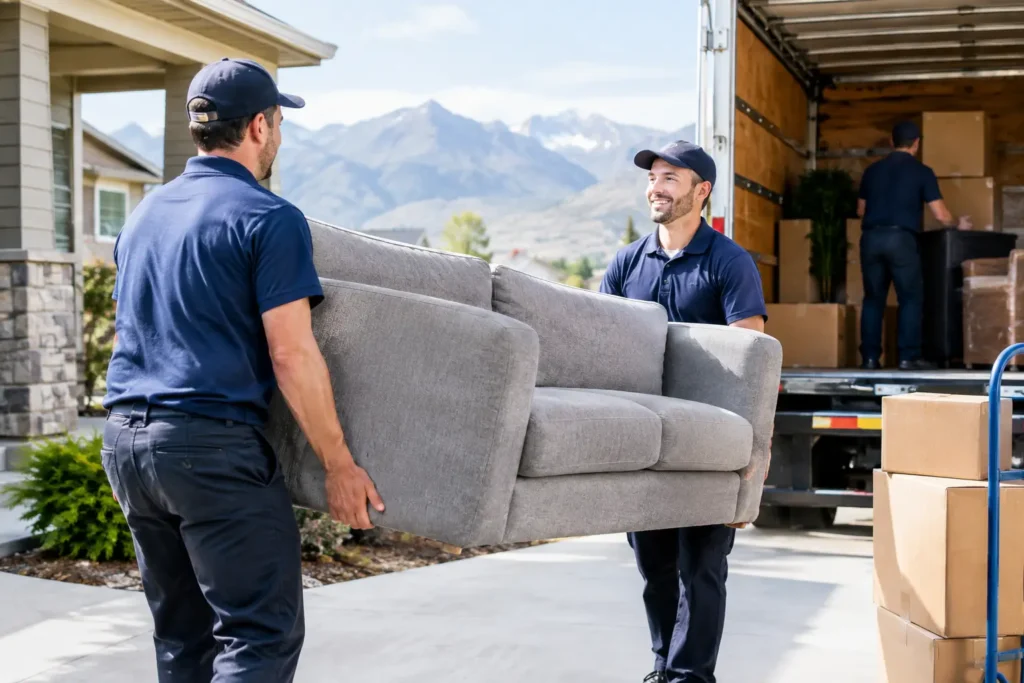
A couch that fit perfectly in your old living room can become the hardest part of moving day when it has to turn down a narrow apartment hallway, clear a stair landing, and fit into a rental truck. This Ogden furniture moving guide is built for that reality: getting heavy pieces moved safely without paying for services you do not need.
Whether you are relocating near Weber State University, moving between apartments, or rearranging a family home, a little planning makes furniture moving faster, safer, and far less stressful.
Start with the furniture, not the boxes
Furniture determines your moving plan. It takes up the most truck space, needs the most lifting help, and is usually the first thing that reveals a problem with stairs, doorways, or parking. Before packing every small item, walk through each room and decide what is actually coming with you.
Measure bulky pieces such as sectionals, dressers, bed frames, dining tables, desks, and refrigerators. Then measure the tightest points they must pass through: apartment doors, elevators, hallways, stairwells, gates, and the truck opening. You do not need a detailed blueprint. A tape measure and a few notes on your phone can prevent a frustrating surprise on moving day.
If a piece will not clear a doorway, see whether legs, drawers, doors, shelves, or cushions can come off. Keep hardware in labeled bags and tape the bag to the item it belongs to. Do not place loose screws in a random box that may not be opened for days.
There is also value in being honest about what is worth moving. An inexpensive particleboard bookcase that is already wobbling may cost more in time and effort than it is worth. Solid wood furniture, quality mattresses, and pieces with real sentimental value are usually worth protecting and planning around.
Plan around Ogden access and parking
Ogden has a mix of older homes, apartment communities, downtown buildings, and hillside neighborhoods. That variety is great until a moving truck needs a place to park. Check your pickup and delivery locations a few days ahead, preferably at the same time of day you plan to move.
Look for the closest legal truck parking spot, low branches, steep approaches, reserved spaces, and routes that force movers to cross a busy street. Ask apartment management about loading zones, elevator reservations, move-in time windows, and any rules for floor protection. Some properties need advance notice before a truck or moving crew arrives.
If your building has stairs, count the flights and check the landings. A tight turn on the second floor can affect whether a sofa needs to be carried vertically, partially disassembled, or routed through another entrance. Clear shoes, planters, bikes, and delivery boxes from the path before help arrives.
Winter weather is another local consideration. Snow, slush, and ice make heavy lifting riskier, especially on exterior stairs. Salt or clear walkways when possible, put down old towels inside to protect floors, and allow extra time. During hot summer days, schedule the heaviest work earlier if you can and keep water available for everyone helping.
Protect furniture before it reaches the truck
Most furniture damage happens at corners, doorframes, and inside the truck when items shift. Protection does not have to be fancy, but it should be intentional. Wrap wood and upholstered pieces with moving blankets, then secure the blankets with stretch wrap or tape that does not touch finished surfaces directly.
For a quick prep checklist, gather these items before moving day:
- Moving blankets or clean padded covers for wood, upholstery, and appliances
- Stretch wrap for drawers, cushions, and blanket protection
- Mattress bags to keep beds clean during transport
- Basic tools for bed frames, table legs, and removable shelves
- Ratchet straps or tie-downs to keep the truck load from shifting
Empty drawers when they hold heavy items. Light, stable drawers can sometimes stay in place if they are secured, but a dresser full of books is awkward and puts extra strain on the frame. Remove glass shelves, mirrors, and loose table leaves whenever possible. Label fragile parts clearly and load them where they cannot slide.
Take photos of valuable furniture before loading. This is not about expecting trouble. It simply gives you a record of condition and helps you remember how pieces were assembled or arranged.
Load a rental truck with a real plan
A rental truck, trailer, or portable storage container works best when loaded in layers. Put your heaviest, tallest items toward the front of the cargo area, nearest the cab. Appliances, dressers, bookcases, and sofas generally create the base of the load. Keep weight balanced from side to side.
Use tie-down points as you go instead of waiting until the end. A properly strapped section is less likely to shift when the truck brakes or turns. Fill gaps with boxes, bags, and lighter items, but do not wedge fragile belongings where they will carry the weight of furniture.
Mattresses and box springs can stand along the side walls if they are protected and secured. Mirrors, TVs, and glass tabletops should ride upright when practical, with padding and no heavy objects pressing against them. Avoid placing a television flat under other items, even for a short move across Ogden.
The trade-off is speed versus stability. Tossing everything in may save a few minutes at pickup, but an organized load is easier to unload, takes better care of your belongings, and reduces the chance that you will have to rearrange the truck halfway through.
Know when labor-only help makes sense
You may not need a full-service moving company with a truck, supplies, and a complicated estimate. If you already have a rental truck, trailer, POD, or storage unit, labor-only moving help can be the practical middle ground. You keep control of transportation and timing while getting help with the physically demanding parts.
College Movers provides local student-powered labor for loading, unloading, in-home furniture moves, apartment moves, and other heavy-lifting jobs in Ogden. At $50 per hour per mover, the pricing is straightforward, which can be especially helpful for renters and families trying to keep a move within budget. There are no surprise truck charges because College Movers does not provide the truck or moving supplies.
This option is especially useful when you have a heavy sectional, a large dresser that needs to go upstairs, or a storage unit that needs to be loaded efficiently. It can also help when family or friends are willing to pack boxes but are not comfortable lifting appliances, mattresses, or bulky furniture.
Good communication makes the job run smoothly. Tell your movers about stairs, long carries, oversized items, elevators, storage units, and anything fragile or unusually heavy. Have the truck picked up, keys available, paths cleared, and furniture disassembled before the scheduled start time. Skilled movers can work quickly, but they should not have to wait while a rental office opens or a bed frame comes apart.
Make delivery easier on yourself
Before unloading, choose where the biggest pieces will go. Put painter’s tape or a note on the wall for rooms with similar layouts, such as two bedrooms or office spaces. This keeps a heavy dresser from being carried upstairs only to come back down later.
Set beds up early, especially if your move will run into the evening. Then place the sofa, dining table, and essential kitchen boxes. Decorative items, extra chairs, and wall art can wait. Getting the functional rooms in place first makes the new home feel livable right away.
A straightforward next step
If you have the truck or storage container handled but need dependable lifting help, College Movers can make the hard part of your Ogden move more manageable. Local college students bring the muscle for loading, unloading, apartment moves, and in-home furniture rearranging at $50 per hour per mover. Book the help you need, prepare the route, and keep your moving day focused on settling in rather than wrestling a sofa on the stairs.
A few measured doorways, a clear parking plan, and the right hands on the heavy items can turn furniture moving from the part everyone dreads into a job that simply gets done.