
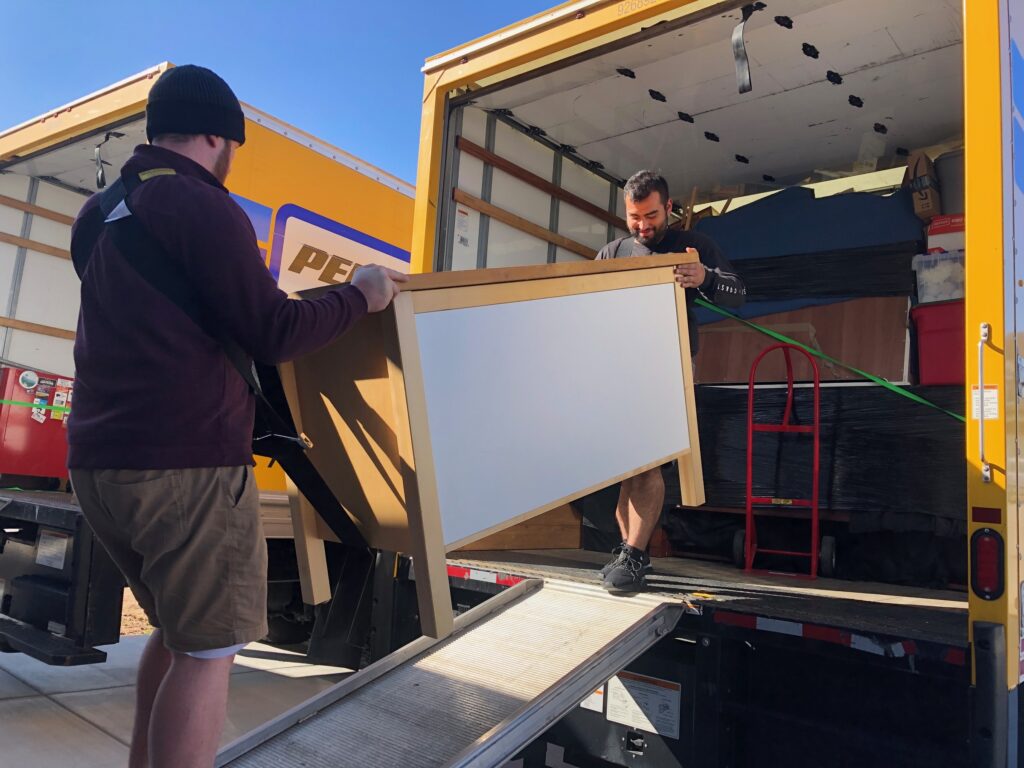
A sofa that looks manageable in the living room can feel completely different halfway down a narrow apartment stairwell. The trick to how to safely lift furniture is not brute strength. It is planning the route, using the right body position, and knowing when an item needs a second set of hands.
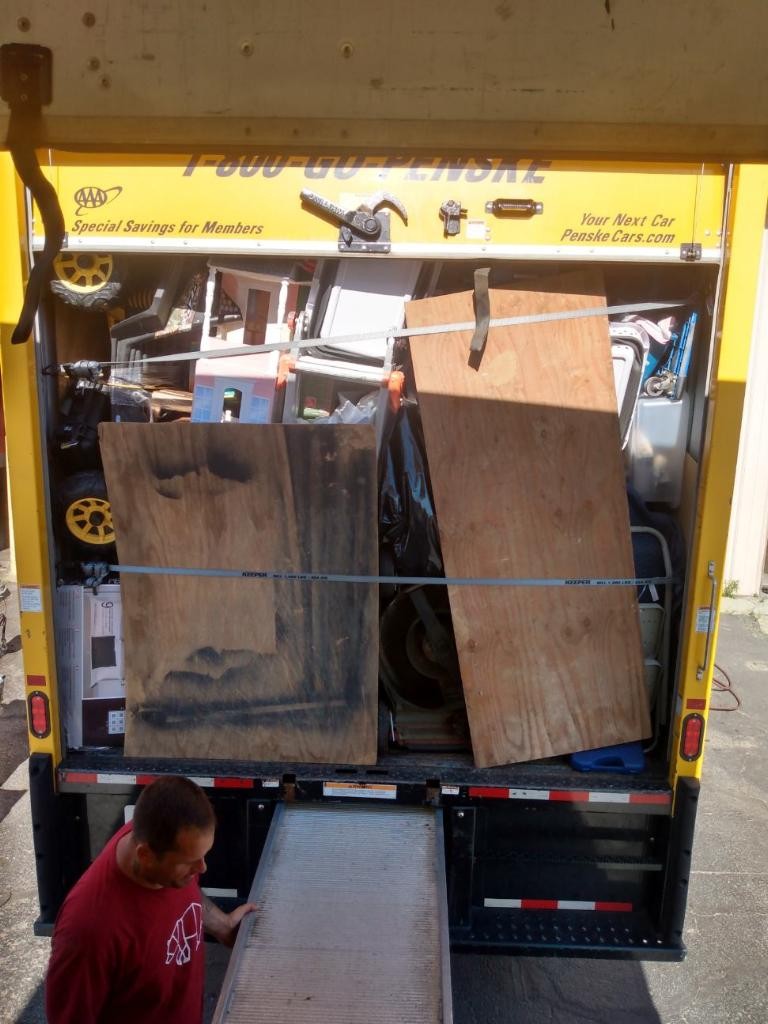
Whether you are moving into a Phoenix apartment, rearranging a family room, or loading your own rental truck, a few careful decisions can prevent strained backs, crushed fingers, damaged walls, and a long day that gets harder than it needs to be.
How to Safely Lift Furniture Before You Pick It Up
Most lifting injuries happen before the furniture ever leaves the floor. Someone tries to rush, grips the wrong spot, twists while carrying, or discovers too late that a dresser is much heavier than it looks.
Start by looking at the full path. Measure doorways if the piece is large, and clear rugs, shoes, cords, boxes, and anything else that could catch a foot. Open doors all the way or remove them when necessary. If you are working in an apartment building, check the elevator size and reserve it ahead of time if the property requires it.
Then inspect the furniture itself. Empty drawers, shelves, and cabinets first. Remove glass shelves, detachable legs, cushions, and loose hardware when possible. A solid wood dresser with full drawers may be too heavy for two people, while the same dresser emptied and partially disassembled may be manageable.
Protect the piece and your home before the move starts. Furniture pads help prevent scratches and give you a better grip. Stretch wrap can hold drawers and doors shut, but do not use it as a substitute for lifting carefully. Cardboard or a moving blanket can also protect corners near tight turns.
Use Your Legs, Keep the Load Close
The basic lifting motion is simple, but it only works when you actually slow down enough to use it. Stand close to the furniture with your feet about shoulder-width apart. Bend at your hips and knees, not your waist. Tighten your stomach muscles, hold the item close to your body, and rise by pushing through your legs.
Keep your back as neutral as possible. You do not need to stand perfectly straight like a statue, but avoid rounding your back over the load. The farther an item sits from your body, the more strain it puts on your lower back and arms.
Do not twist while carrying. If you need to turn, move your feet in small steps until your whole body faces the new direction. This matters especially with awkward pieces like recliners, mattresses, desks, and sectionals. A twist under load can turn a minor lift into a painful injury quickly.
When setting furniture down, use the same care. Bend your knees and lower the item slowly. Keep fingers away from the bottom edge before it touches the floor. A common mistake is trying to adjust a heavy piece after it is nearly down, which is how hands and toes get pinched.
Lift With a Partner, Not Two Separate People
Two people can make a lift safer, but only when they communicate. Before you move, decide who is walking forward, who is backing up, where you are setting the item down, and what commands you will use. Short calls such as “lift,” “stop,” “down,” and “clear” work better than trying to talk over each other in the middle of a stairwell.
Try to keep the furniture level unless you have a specific reason to tilt it. With a dresser or bookcase, one person should not carry nearly all the weight because the other person has a weak grip or is walking backward down steps. If one side feels dramatically heavier, stop and reset.
Stairs deserve extra caution. The person on the lower end usually carries more weight. Move one step at a time, keep the path clear, and take breaks before either person gets shaky or rushed. Never attempt a large appliance, oversized couch, or heavy solid-wood item on stairs with too few people.
Use Equipment for the Jobs It Can Actually Handle
Moving equipment reduces strain, but only if it matches the job. A hand truck is useful for boxed items, small appliances, and certain upright pieces. A furniture dolly can help with broad, heavy items on a flat surface. Sliders can make it easier to move furniture across carpet, hardwood, or tile without dragging it.
Straps can be helpful for trained users, but they are not magic. Lifting straps can shift weight and make bulky furniture easier to control, yet they can also create problems on stairs or when the item needs to be maneuvered around a tight corner. If you have never used them, do not make a difficult move their first test.
Avoid rolling heavy furniture over uneven ground, loose gravel, or a steep driveway without enough control. In hot places like Phoenix, heat adds another risk. Drink water, take breaks, and do heavy work early in the day when possible. A sweaty grip and fatigue are a bad combination around large furniture.
Know When Furniture Is Too Heavy to Lift Yourself
There is no prize for moving a piece that clearly needs help. If you cannot lift one end without straining, cannot see around the item, have to climb stairs, or do not have a safe route, bring in more labor or change the plan.
Extra help is especially worth it for pianos, safes, large appliances, sleeper sofas, adjustable bed frames, oversized entertainment centers, and tall bookcases. Some items need specialty movers or equipment, and it is better to confirm that before moving day than to improvise in a hallway.
The same goes for injuries and physical limitations. Back pain, shoulder trouble, recent surgery, pregnancy, or poor balance are all reasons to avoid heavy lifting. You can still coordinate the move, protect belongings, and direct the setup without putting yourself in a position that could make an injury worse.
Make Moving Day Easier With Labor-Only Help
If you already have a truck, trailer, storage container, or furniture delivery, you may not need a full-service moving company. You may simply need dependable people who know how to lift, carry, load, and unload safely.
College Movers provides labor-only moving help for apartment moves, furniture rearranging, loading and unloading, and business jobs. At $50 per mover per hour, it is a straightforward option when you want help with the physical work without paying for a truck you already have. Our motivated local college students can help turn a stressful lift into a planned, controlled job.
Before booking help, make a quick list of the heaviest pieces, stair flights, elevators, and tight spaces. That lets your crew arrive ready and helps keep the work moving efficiently. You will save the most time when boxes are packed, pathways are clear, and furniture is ready to be wrapped or disassembled.
A Safer Lift Is Usually a Slower Start
Heavy furniture moves best when nobody is trying to prove something. Clear the path, reduce the weight, use your legs, communicate with your partner, and stop when the lift no longer feels controlled. A few minutes of preparation is cheaper than a damaged couch, a wall repair, or a sore back that follows you for weeks.
When the job calls for more hands, schedule affordable moving labor and keep your energy for settling into the space instead of recovering from the move.
Know when technique is not enough
College Movers is a labor-only service for customers who already have transportation. You provide the rental truck, trailer, or portable container and the moving supplies; our local college student crews can help with scheduled loading, unloading, and suitable in-home moving work. Standard pricing is $50 per mover per hour with a two-hour minimum. Same-day requests add $5 per mover per hour and depend on local availability.
Good lifting starts with a clear route, secure grip, stable footing, and a load that each person can control without twisting. Team lifting does not make every item safe. Stop when weight is unknown, the route forces awkward postures, the item can shift internally, or stairs prevent controlled movement; use equipment or a specialist instead.
What to confirm before booking
- Remove loose parts and empty drawers first.
- Keep the load close and turn with the feet.
- Never let someone stand downhill from an uncontrolled item.
Safety or consumer resource: Review the applicable government guidance. This general resource does not replace item-specific instructions or professional advice.
Check availability and book moving labor
Reviewed for College Movers service scope and pricing in October 2026.