
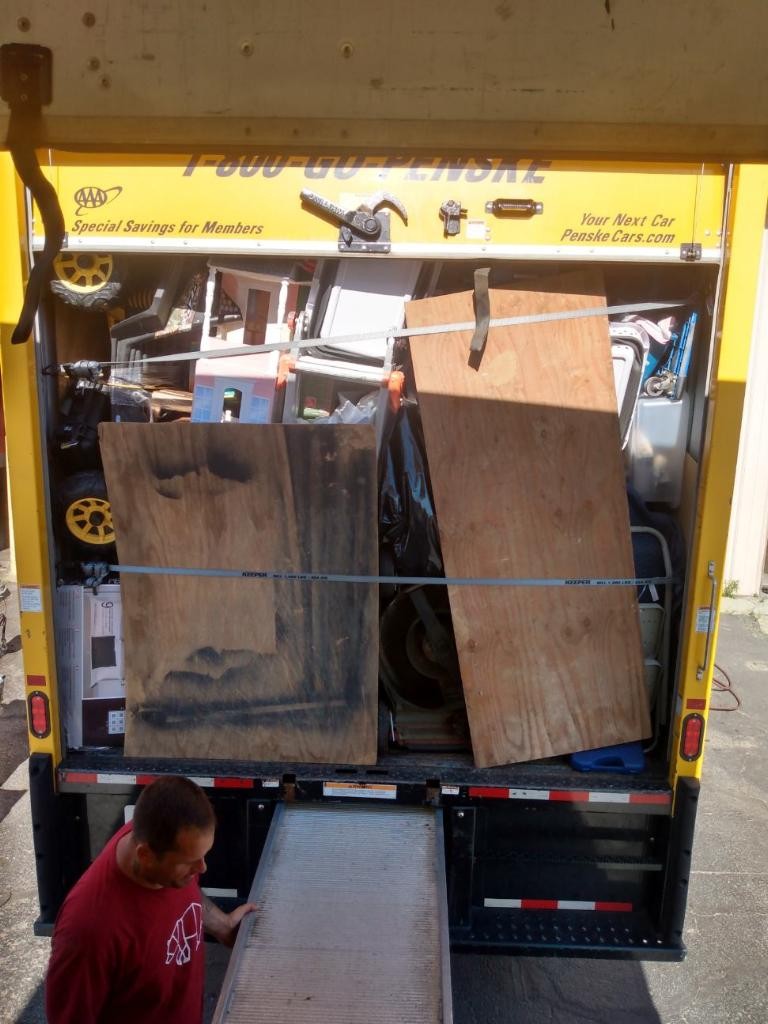
A couch that fit easily through the front door can become a completely different problem at the first landing. Tight turns, low ceilings, slick steps, and awkward furniture shapes are why learning how to move furniture upstairs starts well before anyone picks up an end. A little planning protects your walls, your furniture, and most importantly, the people doing the lifting.
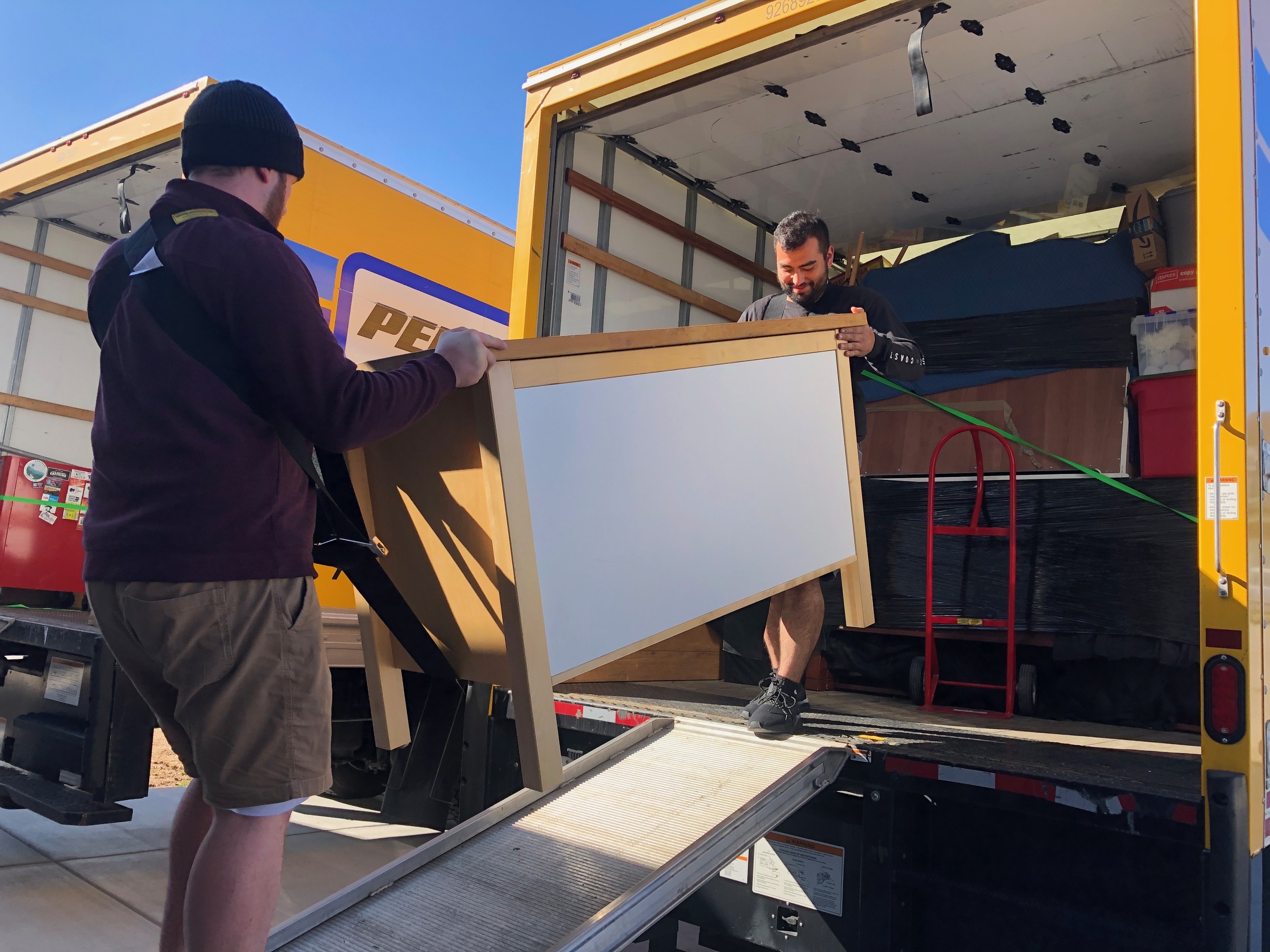
Whether you are moving into a second-floor apartment in Austin, rearranging bedrooms in a family home, or unloading a truck after a local move, the goal is not to rush. The goal is to make every step controlled, clear, and safe.
Measure the Stairway Before You Move Furniture Upstairs
The most frustrating moving mistakes happen when a heavy piece gets halfway up the stairs and simply cannot make the turn. Before lifting anything, measure the furniture’s height, width, and depth. Then measure the narrowest points of the route: the stair width, ceiling height, landing depth, handrail clearance, and door openings at the top.
Pay special attention to L-shaped and U-shaped staircases. A dresser may fit up a straight staircase but fail at a landing because it cannot rotate into the next flight. For a large sofa, measure the diagonal length too. Turning it on its end or carrying it vertically may create the clearance you need, but only if the ceiling and landing allow it.
If measurements are close, do not guess. Remove what you safely can first, such as sofa legs, bed frames, drawers, cushions, or detachable shelves. Taking five minutes to reduce the size and weight of a piece can save an hour of struggling on the stairs.
Clear the Route and Protect the Home
Stairs are not a place for clutter. Move shoes, rugs, boxes, decorations, and anything else that could cause a trip. Keep pets and children in another room while heavy furniture is in motion. Open doors fully, secure them if possible, and make sure every person involved knows where the furniture is going before the lift starts.
Protect the furniture with moving blankets, especially on corners and finished wood. Blankets also help prevent wall scuffs and rail damage in narrow apartment stairwells. Secure padding with stretch wrap or tape around the blanket itself, not directly on delicate surfaces.
For hardwood stairs, tile, or slick painted steps, wear closed-toe shoes with good grip. Socks, sandals, and bare feet are a bad fit for this job. Gloves can help with grip, but avoid bulky gloves that make it harder to hold the furniture securely.
Use the Right Equipment for the Job
The right equipment makes upstairs moves safer, but it does not replace careful lifting. Furniture sliders are useful for getting heavy pieces across a room before or after the stairs. Moving straps can distribute weight more comfortably across your body when used correctly. A shoulder dolly may help with certain bulky items, but it is not ideal for every narrow staircase or steep flight.
A hand truck can be useful for boxed items and some appliances, but use caution on stairs. A loaded hand truck can quickly become difficult to control, particularly when going down. For awkward furniture, two strong people carrying the piece by hand may be safer than trying to force a dolly into a tight stairwell.
Avoid using makeshift equipment, including office chairs, unstable carts, or loose rope. A cheap workaround is not worth an injury or a damaged railing.
How to Carry Furniture Upstairs Safely
For most large pieces, the person going up the stairs carries the higher end while the person below supports the lower end. That arrangement usually keeps the item closer to the stair angle and gives both movers a more natural carrying position. Still, the exact setup depends on the furniture shape, the stair pitch, and who can safely handle each end.
Before lifting, agree on simple commands. “Lift,” “step,” “stop,” “turn,” and “down” work well because they are short and easy to hear. One person should call the moves, especially at a landing or tight corner. Do not have both people making separate decisions in the middle of a lift.
Lift with your legs, keep your back as straight as possible, and hold the item close to your body. Take one step at a time. The person at the bottom should never rush to catch up, and the person at the top should not pull aggressively. If either person loses a secure grip, say so immediately and set the item down safely.
Do not twist while carrying weight. At a landing, stop first, reposition your hands if needed, and then rotate the furniture together. This is slower than trying to pivot while walking, but it is much easier on your back and far less likely to leave a dent in the wall.
Know When a Piece Needs More Than Two People
Two people can manage many dressers, mattresses, chairs, and smaller couches. Some items need more help, though. Large sectional pieces, solid-wood armoires, oversized reclining sofas, safes, and appliances can be too heavy or too unbalanced for a two-person carry.
Adding a third person can make a major difference at a landing, but only if everyone has a clear role. Extra hands do not help when three people are crowded into a narrow stairwell with no room to stand safely. In that situation, disassembling the item or bringing in experienced moving labor is often the better choice.
Take Apart What You Can
Disassembly is not giving up. It is often the smartest way to move furniture upstairs without damage. Remove drawers from a dresser to make it lighter. Break down bed frames. Separate sectional sofa pieces. Take legs off tables and sofas when the manufacturer design allows it.
Put screws, brackets, and small hardware in labeled bags, then tape the bag to the furniture or keep it in a clearly marked box. Take a few photos before removing complicated parts, especially on adjustable bed frames and shelving units. When you are tired after moving day, those photos can save a lot of frustration.
Mattresses are another common challenge. Carry them upright when possible, and use a mattress bag to keep them clean in shared hallways or apartment stairwells. Do not fold or sharply bend a mattress unless the manufacturer says it is safe to do so.
Watch for Apartment and Building Rules
Apartment moves often involve more than the stairs themselves. Some buildings require move-in reservations, elevator scheduling, proof of insurance, or protective coverings in common areas. Others limit moving hours. Check with your leasing office or property manager before move day, particularly in busy buildings where another resident may be using the same stairwell.
In older apartments, staircases can be narrower than expected and railings may be fragile. Do not use a handrail as a support point for furniture or straps. If an item will not clear the stairwell, a balcony lift or another access option may be necessary, but that is a job for properly equipped professionals.
When It Makes Sense to Hire Moving Labor
There is a point where doing it yourself stops being the affordable option. A strained back, a broken dresser, or damage to an apartment wall can cost far more than getting help for a couple of hours.
College Movers provides labor-only moving help for customers who already have a truck, trailer, POD, or furniture delivery. Our motivated local college student movers can help carry furniture upstairs, load or unload a moving truck, rearrange rooms, and handle the heavy lifting that makes moving day stressful. At $50 per mover per hour, pricing is simple and transparent, without hidden fees or a long quote process.
This can be especially helpful for second- and third-floor apartment moves, heavy furniture deliveries, and families who want to get a bedroom set upstairs without asking friends to risk an injury. You provide the location and the furniture. We provide hardworking hands.
FAQ: Moving Furniture Up Stairs
Can two people move a couch upstairs?
Sometimes. It depends on the couch’s weight, shape, stair width, landing space, and the strength and experience of the people carrying it. Remove legs and cushions first, measure the route, and stop if the couch becomes unstable or does not clear the turn.
Should furniture go upstairs before boxes?
Usually, yes. Move large furniture first while the stairs and rooms are clear. Once beds, dressers, and sofas are in place, boxes can follow without blocking the route or creating extra trip hazards.
What is the safest way to move a dresser upstairs?
Remove all drawers, pad the corners, and carry the dresser upright or on its side depending on the stair clearance. Never rely on drawer handles as lifting points. If it is solid wood or unusually heavy, bring in additional help.
A successful upstairs move is rarely about brute strength. It comes down to measuring first, communicating clearly, and knowing when the job calls for more hands. That approach keeps your move moving forward and lets you enjoy the new space instead of recovering from the stairs.
Treat stairs as a route-planning problem
College Movers is a labor-only service for customers who already have transportation. You provide the rental truck, trailer, or portable container and the moving supplies; our local college student crews can help with scheduled loading, unloading, and suitable in-home moving work. Standard pricing is $50 per mover per hour with a two-hour minimum. Same-day requests add $5 per mover per hour and depend on local availability.
Measure the furniture, doorways, landings, ceiling clearance, and tight turns before lifting starts. Remove doors, drawers, shelves, or legs only when the item allows it, and protect railings and floors. Large, top-heavy, or unusually valuable pieces may need specialty equipment or a specialist instead of a standard crew.
What to confirm before booking
- Clear people, pets, rugs, and cords from the route.
- Choose one person to call the movement.
- Stop if the crew cannot maintain control at every turn.
Safety or consumer resource: Review the applicable government guidance. This general resource does not replace item-specific instructions or professional advice.
Check availability and book moving labor
Reviewed for College Movers service scope and pricing in October 2026.