
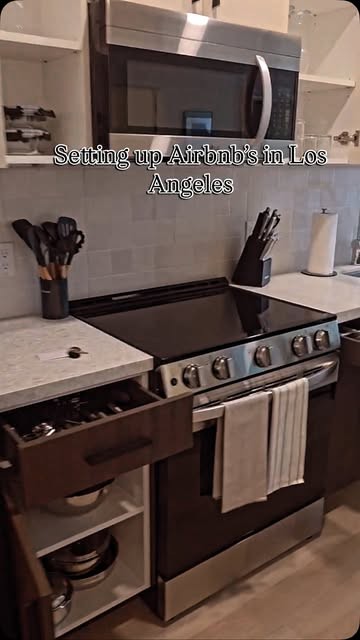
A refrigerator may look like one big box with a door, but moving it is rarely that simple. So, can movers move appliances? Usually, yes – provided the appliance is prepared, the path is safe, and the job falls within the mover’s service limits. The bigger question is whether you need help lifting and transporting the appliance or a licensed professional to disconnect, install, or service it.

For many apartment and home moves, labor-only movers are a practical, affordable answer. If you already have a truck, trailer, storage container, or moving plan, a hard-working crew can help get a refrigerator, washer, dryer, or range safely from point A to point B. College Movers provides the muscle for jobs like these at $50 per mover per hour, without the cost and confusion of a full-service moving package.
Can Movers Move Appliances During a Move?
Movers can often move common household appliances, including refrigerators, freezers, washers, dryers, stoves, dishwashers, and compact appliances. They can load them into a truck, unload them at the new place, move them within a home, or help position them in a garage, storage unit, or laundry room.
That does not automatically mean every appliance can be picked up and moved on moving day. Size, weight, building access, stairs, appliance condition, and utility connections all matter. A basic electric dryer on a ground-floor level is a very different job from a heavy refrigerator that must come down three flights of narrow apartment stairs.
Labor-only movers are especially helpful when you have already rented a moving truck or have a POD-style container. Instead of paying for a traditional moving company’s truck, fuel, travel charges, and large minimums, you can book dependable lifting help for the hours you need.
What Movers Can and Cannot Do With Appliances
The safest way to plan is to separate moving labor from appliance service. Movers can handle the physical work of carrying, loading, unloading, and carefully placing an appliance. They generally should not disconnect gas lines, water lines, electrical wiring, or dryer vents that require technical work.
For example, a crew may move a washing machine after the water supply hoses have been disconnected and drained. They may move a gas range after a qualified technician has shut off and disconnected the gas line. They can place the appliance in its new location, but reconnection should be handled by the appropriate installer or technician.
This distinction protects your home, the appliance, and everyone involved. Water leaks, gas connections, and electrical hookups are not small details to figure out while a truck is waiting outside.
Appliances That Need Extra Planning
Refrigerators and freezers deserve special attention because they are heavy, awkward, and can be damaged if handled carelessly. If your refrigerator has an ice maker or water dispenser, disconnect the water line in advance. Remove food, shelves that can shift, and loose bins. Defrost it before the move so water does not leak into the truck or down your stairs.
Washers are another appliance that catches people off guard. Even after unplugging the machine, water can remain inside. Drain it fully and use the manufacturer’s shipping bolts when available to help protect the drum during transport.
Dryers, dishwashers, wall ovens, and built-in appliances can require more preparation. If an appliance is attached to cabinetry, hardwired, connected to a gas supply, or part of a complex setup, arrange professional disconnection before your movers arrive.
How to Prepare Appliances Before Movers Arrive
Good preparation makes appliance moving safer, faster, and less expensive. Since labor is billed by time, a little work before the crew arrives can keep your move moving.
Start by confirming that every appliance is fully disconnected. Unplug electrical cords, disconnect approved water lines, and have gas work handled by a qualified professional. Tape cords, hoses, and doors securely so they do not swing or drag while the appliance is being carried.
Next, clear a route from the appliance to the truck. Measure doorways, hallways, elevator openings, and stair landings. Remove rugs, boxes, and small furniture from the path. Let the crew know about tight turns, steep stairs, parking restrictions, or elevator reservations before the job begins.
For a refrigerator, many manufacturers recommend keeping it upright as much as possible. If it must be tilted or laid down during transport, check the appliance manufacturer’s guidance on how long it should sit upright before being plugged in at the new home. Starting it too soon can cause problems with the compressor.
It also helps to tell your movers the make, approximate size, and location of each appliance when booking. A compact apartment washer and a large French-door refrigerator require different planning, crew size, and equipment.
When Labor-Only Movers Make the Most Sense
Labor-only moving is a smart fit when you control the transportation but need capable people for the heavy work. Maybe you rented a truck for an Austin apartment move and do not want to ask friends to wrestle a washer down a breezeway. Maybe you are moving a refrigerator into a garage, rearranging a laundry room, or unloading appliances delivered to your driveway.
In those situations, the job is straightforward: you provide the vehicle or destination, and movers provide the labor. College Movers connects customers with motivated local college students who can help with lifting, loading, unloading, and in-home moving. It is a practical way to get real help while supporting students in your community.
The cost can also be easier to understand than a traditional moving quote. At $50 per mover per hour, you know the hourly rate before the work starts. There are no truck charges because you already have the truck, and no surprise full-service package built around services you do not need.
When You May Need a Specialist Instead
There are times when moving labor alone is not the right solution. Call an appliance installer, plumber, electrician, or gas technician first if your appliance involves a gas connection, permanent wiring, plumbing changes, or a complicated built-in installation.
You may also want appliance-specific delivery service for unusually large or specialty items, such as commercial kitchen equipment, oversized built-in refrigerators, safes, or units that require manufacturer-authorized installation. The right choice depends on the appliance, your building, and the type of work required.
If you are unsure, take photos of the appliance and its connections before booking. Ask yourself two simple questions: Is it fully disconnected, and can it physically travel through the planned route? If the answer to either question is no, solve that issue before moving day.
A Safer, Faster Appliance Moving Day
On moving day, keep children and pets away from the work area, have parking ready for the truck, and make sure the route is clear. Point out any fragile flooring, low ceilings, narrow stairwells, or tricky corners before the first appliance is moved. Clear communication helps the crew work carefully without wasting time.
Do not try to save a few minutes by dragging appliances across floors or forcing them through a doorway. Heavy items can damage flooring, walls, and themselves quickly. A planned approach is almost always cheaper than repairing a scratched floor, broken door frame, or damaged refrigerator.
Need help loading, unloading, or moving an appliance within your home? Book College Movers for straightforward, affordable labor at $50 per mover per hour. Bring your truck or container, prepare the appliance, and let a dependable student crew handle the heavy lifting.
A little preparation turns an appliance move from a stressful gamble into a manageable job. Get the connections handled first, clear the path, and bring in the right hands for the weight.
Appliance moving starts with preparation and limits
College Movers is a labor-only service for customers who already have transportation. You provide the rental truck, trailer, or portable container and the moving supplies; our local college student crews can help with scheduled loading, unloading, and suitable in-home moving work. Standard pricing is $50 per mover per hour with a two-hour minimum. Same-day requests add $5 per mover per hour and depend on local availability.
College Movers may help move prepared appliances when the local crew, route, and equipment make the job reasonable. Customers remain responsible for disconnecting utilities, draining water, securing doors and hoses, and arranging licensed help where required. Send dimensions, weight, stairs, and photos before booking; some appliances need a specialist.
What to confirm before booking
- Disconnect and drain appliances before the appointment.
- Protect floors and measure every doorway.
- Never ask a crew to move an appliance with live gas, water, or electrical connections.
Safety or consumer resource: Review the applicable government guidance. This general resource does not replace item-specific instructions or professional advice.
Check availability and book moving labor
Reviewed for College Movers service scope and pricing in October 2026.