
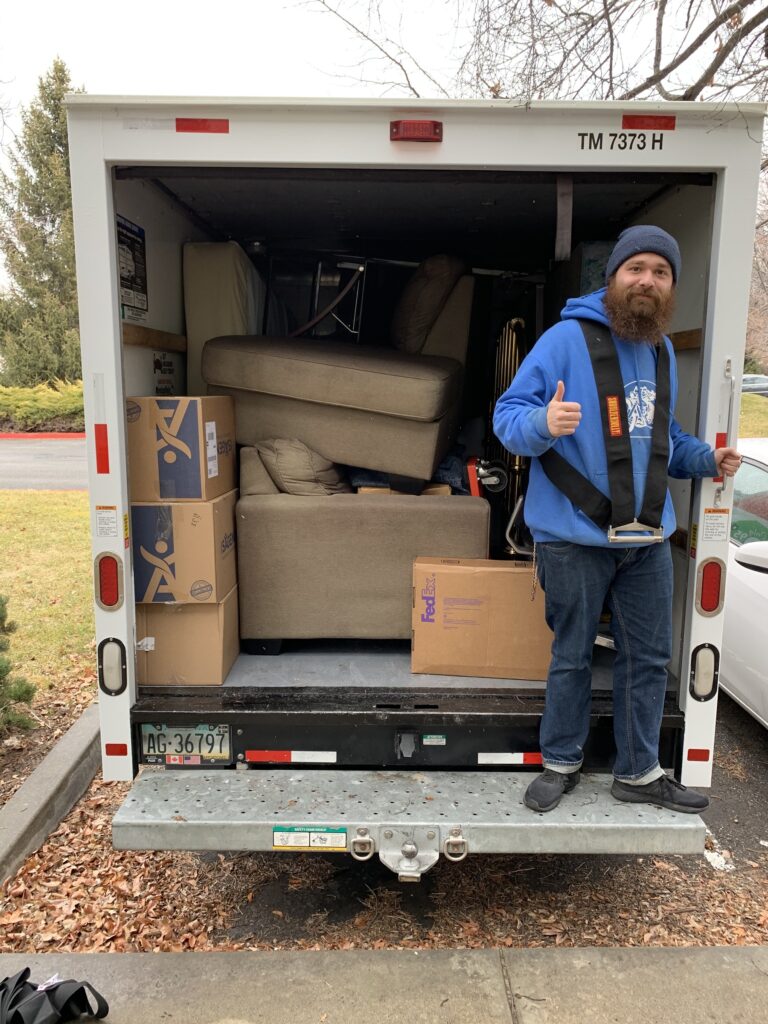
The best moving day essentials are not the things that make a move look organized in a photo. They are the items that keep you from tearing open six boxes for a phone charger, losing the truck key, or trying to lift a dresser with no gloves and no plan. A little preparation can save hours, protect your belongings, and make a long day feel much more manageable.
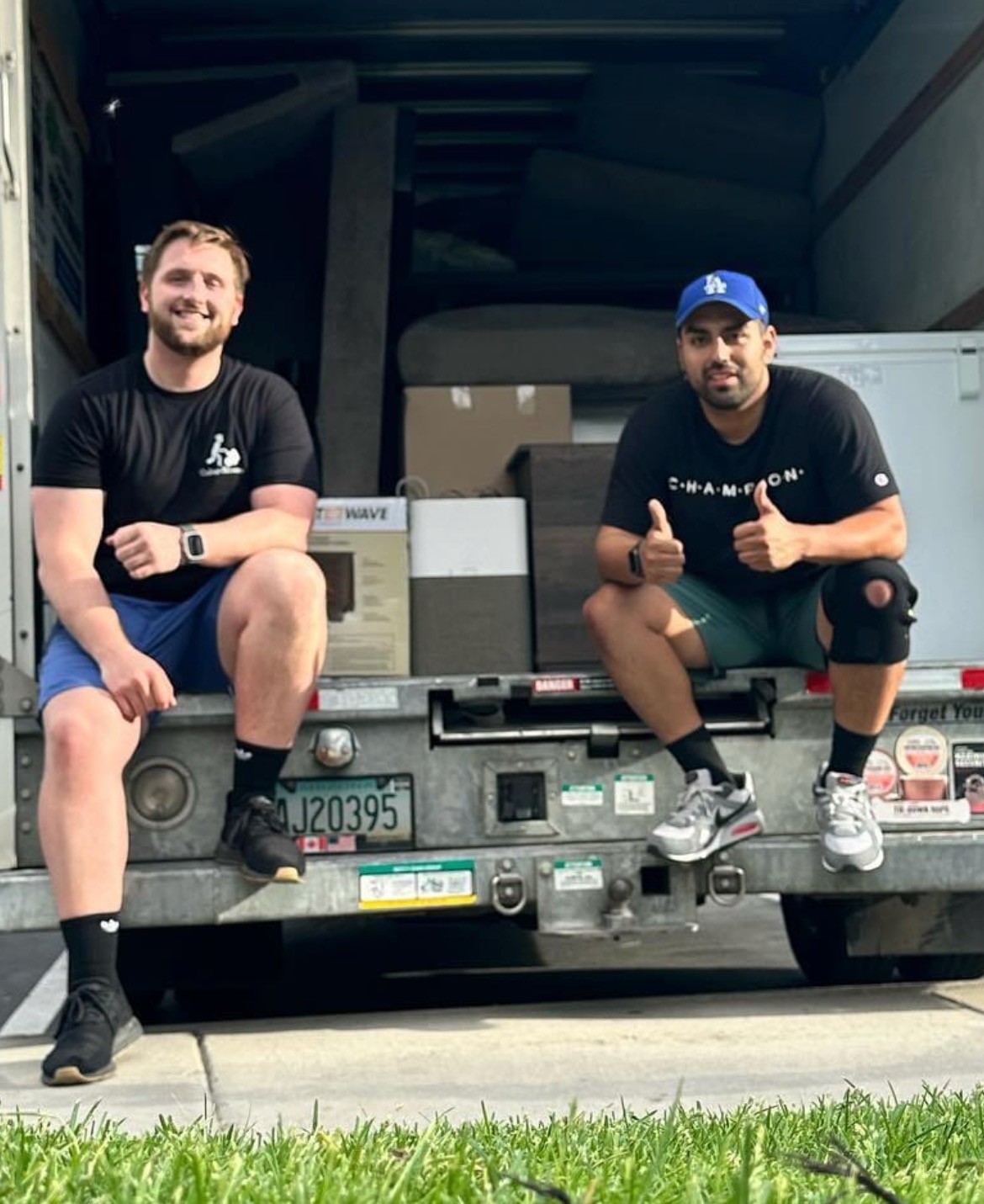
Whether you are moving out of an apartment in Austin, settling into student housing, or loading a rental truck for a longer move, keep the essentials close by instead of packing them away. The goal is simple: make the first 24 hours in your new place easier.
12 Best Moving Day Essentials to Pack First
1. A clearly labeled essentials bag
Pack one backpack, tote, or small suitcase that stays with you from start to finish. This is not a box that goes in the truck. It should hold your wallet, keys, ID, lease paperwork, medications, glasses or contacts, phone charger, and any documents you may need at check-in.
If you have children or pets, include their immediate necessities too. A favorite toy, snacks, a leash, pet food, or a comfort item can prevent a stressful moving day from becoming an exhausting one.
2. Water, snacks, and a simple meal plan
Moving is physical work, and hunger has a way of making every small problem feel bigger. Bring a cooler with water, sports drinks, and easy snacks such as fruit, sandwiches, protein bars, or crackers. Do not count on having time to stop for food once the truck is loaded.
For a summer move in places like Phoenix or San Antonio, extra water is a safety item, not a luxury. Heat, stairs, and heavy furniture can wear people down quickly. Plan for more drinks than you think you will need.
3. A first-night box
Your first-night box should contain the things you need before you unpack anything else. Think toilet paper, hand soap, paper towels, trash bags, a shower curtain if needed, towels, pajamas, basic toiletries, bedding, and a small set of dishes or disposable plates.
Keep this box separate and mark it on every side. If you are using a moving truck, load it last so it comes off first. You will be glad you did when it is late, everyone is tired, and the bed still needs to be made.
4. Phone chargers and a backup battery
Your phone becomes your map, camera, contact list, lease file, and moving-day command center. Keep a wall charger, car charger, and portable battery in your essentials bag. If you are coordinating helpers, a landlord, a storage facility, or family members, a dead phone can create unnecessary delays.
It also helps to save key addresses and gate codes somewhere offline. Apartment buildings sometimes have poor reception in garages, elevators, or loading areas.
5. A basic cleaning kit
Even a clean-looking apartment or house may need a quick wipe-down before furniture goes in. Bring all-purpose cleaner, disinfecting wipes, paper towels, a sponge, gloves, and a broom or small vacuum if possible. Cleaning empty rooms is much easier than cleaning around boxes and beds later.
You do not need to deep-clean the whole place on moving day. Focus on kitchen counters, bathroom surfaces, shelves, and the floors where furniture will sit.
6. Tools for quick furniture fixes
A small tool bag earns its place on nearly every move. Include a screwdriver with multiple bits, Allen keys, a hammer, a tape measure, scissors, a utility knife, and a few zip ties. Keep furniture hardware in labeled bags taped to the item it belongs to, not loose in a random drawer.
Measure doorways and large furniture before loading whenever possible. Taking a few minutes to check can prevent the classic moment when a couch reaches the new apartment door and will not fit through at the angle you expected.
7. Moving blankets, stretch wrap, and tape
These are the protective supplies people often wish they had after a scratched table or torn sofa corner. Moving blankets help cushion dressers, headboards, and appliances. Stretch wrap keeps drawers shut and protects upholstered furniture. Strong packing tape can reinforce a weak box or reseal a box that was opened at the last minute.
College Movers provides the hard-working labor, but customers should have their truck and supplies ready for the job. If you are booking loading or unloading help, having protective materials on hand lets the crew work efficiently and take better care of your belongings.
8. Work gloves and closed-toe shoes
Good shoes matter more than most people expect. Choose closed-toe shoes with solid traction, especially if you will be walking on ramps, stairs, wet sidewalks, or apartment hallways. Work gloves can improve grip and help protect hands from splinters, sharp cardboard edges, and awkward furniture corners.
Avoid flip-flops, loose sandals, or shoes that slide easily. They may be comfortable for a normal day, but moving day is not a normal day.
9. A dolly or hand truck
A dolly can save your back and speed up the move, particularly with stacked boxes, small appliances, and heavy storage bins. If your building has a long hallway or elevator ride, it is even more useful. Appliance dollies and furniture dollies have different jobs, so choose based on what you are moving.
It depends on your load. For a small studio move with mostly bags and boxes, you may not need one. For a two-bedroom apartment, a dolly is usually worth arranging ahead of time.
10. Labels and a marker that actually works
Label boxes by room and include a short description of what is inside. “Kitchen” is helpful. “Kitchen – mugs, coffee maker, utensils” is better. Use a dark permanent marker and label at least two sides, so you can identify boxes even when they are stacked.
For priority boxes, write “OPEN FIRST” in large letters. This keeps essentials from disappearing into a wall of identical cardboard.
11. A damage and inventory check
Before loading, take quick photos of valuable furniture, electronics, and rental-truck condition. Photograph scratches or dents in an apartment during your move-out walk-through as well. This is not about expecting trouble. It is a simple way to keep a clear record if questions come up later.
For high-value items, keep a short inventory on your phone. Jewelry, passports, important paperwork, and small electronics are usually safer in your personal vehicle than in the moving truck.
12. A plan for parking, access, and timing
The most overlooked moving essential is a plan. Confirm elevator reservations, loading dock rules, gate codes, parking permits, and building move-in hours before the day arrives. Many apartment communities limit when a truck can park or require movers to use a specific entrance.
This matters especially in busy areas where parking is tight. A reserved loading spot can save more time than another roll of tape. Let anyone helping you know where to park, which entrance to use, and which items need to be loaded first.
Make the Essentials Easy to Reach
Packing the right items only helps if you can find them. Keep your personal bag in the cab of the truck or your own vehicle. Put the first-night box near the truck door. Keep tools, tape, and cleaning supplies in one clearly marked tote rather than scattering them among household boxes.
If you are moving with friends, assign simple roles before the work starts. One person can handle keys and paperwork, another can direct boxes by room, and another can keep food and water available. Clear roles reduce the number of times everyone stops to ask what happens next.
When Extra Moving Labor Makes Sense
Some moves are manageable with a few friends. Others involve third-floor stairs, oversized furniture, tight timelines, or a packed rental truck that needs to be loaded correctly. That is where labor-only moving help can make a real difference.
College Movers connects customers with motivated local college students for loading, unloading, apartment moves, in-home furniture rearranging, and other heavy lifting. At $50 per mover per hour, you can get straightforward help without paying for a full-service moving company or a truck you do not need. It is a practical option when you already have a rental truck, trailer, storage container, or POD but want reliable hands for the heavy work.
Before your move, make a short list of the heaviest items, the number of flights of stairs, and any parking or elevator limits. Sharing those details helps your moving crew arrive ready to work and helps the day stay on schedule.
A well-packed essentials bag will not make every box lighter, but it will give you more control over the parts of moving day that usually cause the most stress. Pack it early, keep it close, and let the rest of the move be one less thing to worry about.
Separate what the crew needs from what you keep with you
College Movers is a labor-only service for customers who already have transportation. You provide the rental truck, trailer, or portable container and the moving supplies; our local college student crews can help with scheduled loading, unloading, and suitable in-home moving work. Standard pricing is $50 per mover per hour with a two-hour minimum. Same-day requests add $5 per mover per hour and depend on local availability.
The crew needs a ready truck or container, blankets, straps, boxes, tape, basic tools, and clear walking paths. You should personally keep identification, keys, medication, chargers, water, documents, valuables, and a change of clothes. A simple separation prevents essential items from disappearing into the load.
What to confirm before booking
- Create one clearly marked do-not-load area.
- Charge phones and keep building contacts handy.
- Photograph the truck and major items before departure.
Check availability and book moving labor
Reviewed for College Movers service scope and pricing in October 2026.