
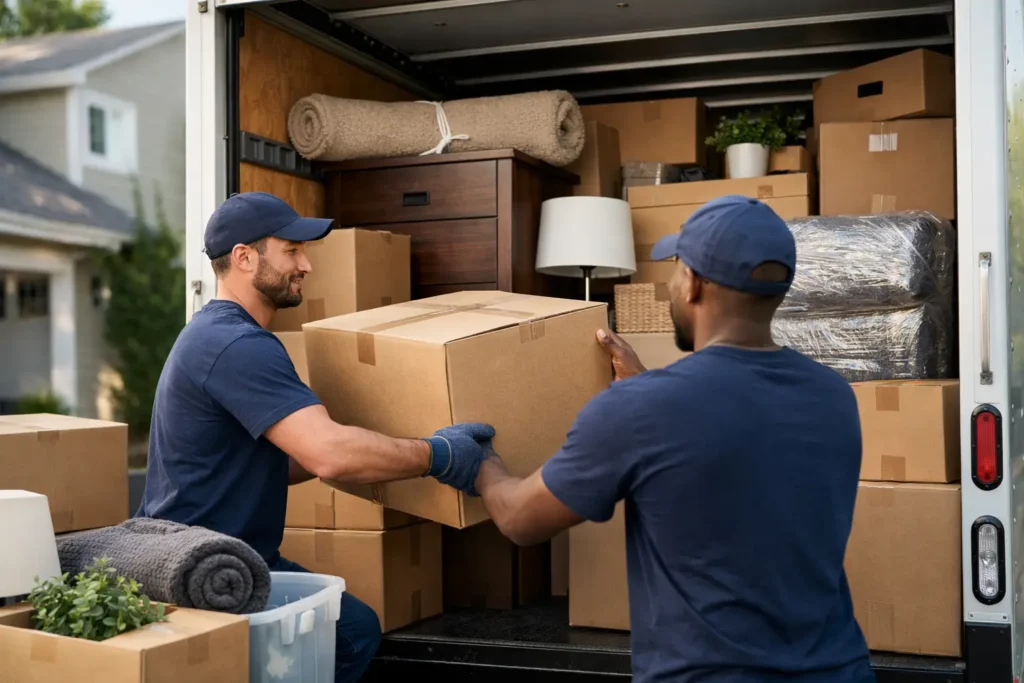
You usually realize how much strategy goes into loading a truck about 20 minutes after you start – when the couch is in sideways, the boxes are wobbling, and somehow the lamp shades are already crushed. If you’re figuring out how to pack a moving truck, the goal is not just to make everything fit. The goal is to protect your stuff, use the space well, and avoid creating a heavy, shifting mess that turns unloading into a second headache.
A well-packed truck saves time, reduces damage, and makes the whole move feel more manageable. That matters even more if you’re moving out of a third-floor apartment, heading across town in Phoenix, or loading up for a longer move from Salt Lake City to another city. Good packing is part puzzle, part common sense, and a lot easier when you know the right order.
Quick answer: packing a moving truck
A moving truck should be packed from heavy to light, front to back, with furniture protected and weight balanced side to side.
- Best fit: rental trucks, apartment moves, storage moves, and long-distance loads.
- What you handle: the truck, trailer, POD, storage unit, building access, parking details, and anything you want packed before the crew arrives.
- What College Movers handles: the lifting, loading, unloading, carrying, and heavy-item work that makes move day harder than it needs to be.
How to pack a moving truck without wasting space
The biggest mistake people make is loading whatever is closest to the door first. That almost always leads to dead space, crushed boxes, and furniture that shifts around on the drive. A moving truck should be packed in layers, with weight balanced from front to back and from side to side.
Start with a clear plan before a single box goes in. Group your items by type: heavy furniture, mattresses, large appliances, medium boxes, small boxes, and fragile pieces. Keep essentials and first-night items out of the truck if possible. You do not want to dig through a packed truck looking for phone chargers, medicine, or bed sheets after a long day.
The front of the truck, closest to the cab, should hold the heaviest items. This creates a more stable load and helps prevent lighter items from getting crushed. Think dressers, washers, dryers, refrigerators, sofas, and other large pieces. Place these upright when possible. Furniture usually travels better standing in its natural position rather than laid awkwardly on its side.
Once the heavy items are in, build around them with sturdy boxes. Medium and heavy boxes should go on the bottom, lighter boxes on top. Try to create flat, tight rows instead of scattered stacks. The less open space you leave, the less movement you’ll get on the road.
Load order matters more than most people think
If you are wondering how to pack a moving truck efficiently, think from largest to smallest and heaviest to lightest. That order keeps the truck stable and helps you use the full height of the cargo area.
Start with appliances and the heaviest furniture
Large appliances and solid furniture pieces form the base. If you have a dolly and moving straps, use them. Set refrigerators, washers, and dressers against the front wall of the truck first. Keep them tight together. If a piece has drawers, either remove them and pack them separately or secure them shut so they do not slide open.
Couches, headboards, and heavy tables usually come next. Stand sofas on end if the shape allows and if doing so will not damage the frame. Bed rails can slide vertically into narrow gaps. Mattresses work well as soft walls along the side of the truck, especially when they are secured.
Use boxes to fill gaps and create structure
Boxes are not just storage. They help lock the load in place. Put your strongest, heaviest boxes on the floor and stack upward by weight. If box sizes are mixed, do your best to keep stacks stable. A tower of random box sizes may look fine while parked, but it can lean fast once the truck starts turning.
Fragile boxes should never support other weight. Mark them clearly and place them in spots where they will not get squeezed. If you packed dishes or glass well, they can ride safely in the truck, but they still need protection from heavy pressure.
Finish with light, soft, and awkward items
The rear of the truck is best for lighter items, soft bags, cushions, lampshades, and things you may want sooner at unloading. This is also where people often place cleaning supplies, folded blankets, or a small toolbox. Just keep anything breakable from riding loose near the door.
Protecting your furniture while you pack
A truck can damage furniture even when you drive carefully. Most damage happens because items rub, tip, or press against each other for miles. Padding matters.
Use moving blankets around wood furniture, dressers, table corners, and electronics. Wrap items before they go into the truck, not after. Tape blankets so they stay in place, but avoid putting tape directly on finished wood or delicate surfaces. For mirrors, TVs, and framed art, keep them vertical and cushioned, never flat under weight.
You also want to think about pressure points. A chair leg pressing into a mattress or a metal bed frame rubbing against a dresser can leave real damage. The tighter the truck is packed, the more every contact point matters. Good padding lets you pack tightly without turning the drive into a stress test.
Balance and tie-downs keep the load safe
A packed truck should feel solid, not stuffed. There is a difference. If all the weight ends up on one side, the truck can feel harder to handle. If the back is much heavier than the front, items may shift more than you expect.
Spread weight evenly across the floor. If you load a washer on one side, try to balance it with another heavy piece on the other side. As you build each section, use tie-downs or ratchet straps to secure rows of furniture and stacked items. Many rental trucks have rails inside for this exact reason.
This is one place where people rush, and it costs them later. Even a short drive through city traffic can shift an unsecured load. In places with hills, tight turns, or quick freeway merges, like Seattle or Boise, a loose truck can turn into a mess by the time you arrive.
Common mistakes when learning how to pack a moving truck
One common mistake is leaving drawers full to save time. Sometimes that works with lightweight clothes, but heavy or loose items can make furniture harder to carry and easier to damage. Another mistake is loading the truck without disassembling large furniture. Bed frames, table legs, and sectional pieces usually fit better and ride safer when broken down first.
People also waste a lot of space by packing too casually around odd-shaped items. Lamps, stools, and small shelves can fit into gaps if you plan ahead. That said, not every gap should be filled. If forcing an item into a tight space puts pressure on something fragile, leave it out and place it elsewhere.
Another trade-off is speed versus order. Tossing things into the truck may feel faster in the moment, but it usually slows down the whole move. You’ll spend more time rearranging, more time unloading, and more money if your truck rental runs long.
Apartment moves need an even better plan
Apartment moves are where truck packing strategy really pays off. If you are carrying everything down stairs or through long hallways, you want each trip to count. That means staging items before loading and deciding what goes in first before the truck is even open.
For apartment movers, a clean loading order keeps the job moving. Heavy pieces go down first so no one has to drag them around a half-packed truck later. Boxes should already be taped, labeled, and grouped by room. If you’re moving out of a busy complex in Austin or into student housing near a university, wasting time in the parking lot is the last thing you want.
This is also where labor-only help can make a noticeable difference. If you already have the truck but need strong, reliable help with loading, College Movers handles the heavy lifting for $50 per hour per mover. That setup works well for renters, families, and students who want to save money without loading the truck alone.
A simple approach for a smoother moving day
If you want the short version, pack the truck like you’re building a wall that can survive turns, stops, and bumps. Heavy and sturdy items go in first at the front. Boxes fill in around them from bottom to top. Fragile items stay protected and pressure-free. Light items finish the load near the back. Then strap everything down so it stays where you put it.
You do not need a perfect moving-day diagram. You just need a smart loading order, decent padding, and enough discipline not to throw random stuff into open spaces. If that part of the move feels overwhelming, getting loading help is often cheaper than replacing damaged furniture or paying for extra truck time.
If you’re planning a move and already have the rental truck, trailer, or container, College Movers can help with the loading and unloading so the day goes faster and the truck gets packed the right way. Whether you’re moving across town or heading out of an apartment, having dependable help can take a lot of pressure off.
A packed truck should give you one less thing to worry about when you pull away from the curb.
What to expect when you book College Movers
College Movers is built around a simple labor-only model. You stay in control of the transportation and timing, and our local student movers help with the physical work. That means you are not paying for a full-service moving package when what you really need is capable help with the heavy lifting.
For packing a moving truck, the biggest time-savers are usually preparation, access, and crew size. Have small items packed, walkways clear, elevators or loading areas reserved when needed, and a short list of heavy pieces that need the most attention.
Pricing starts at $50 per hour per mover with a simple two-hour minimum, so it is easier to plan the budget before move day.
Schedule moving help online once your date, access, and truck or storage plan are ready.
Frequently asked questions about packing a moving truck
Do I need to provide my own truck or container?
Yes. College Movers is a labor-only moving option, so you provide the truck, trailer, POD, storage unit, or other transportation. The crew provides the muscle for loading, unloading, stairs, heavy furniture, and move-day labor.
What can the movers help with?
The crew can help with loading, unloading, carrying heavy furniture, moving items through stairs or elevators, rearranging furniture, and making the truck or storage space work more efficiently.
How can I keep the job affordable?
Pack small items before the crew arrives, clear walkways, group boxes by room, and make sure parking or building access is ready. The more prepared the space is, the more of the paid time goes toward the heavy lifting.
Is this a good option for small moves?
Yes. Labor-only help is often a strong fit for small moves because you can book the muscle you need without paying for a traditional full-service moving package.
How much does College Movers cost?
College Movers starts at $50 per hour per mover with a simple two-hour minimum. You can compare details on the pricing page before booking.
Ready to make the heavy part easier?
College Movers keeps moving help simple: you provide the truck, trailer, POD, or storage space, and our local student movers handle the loading, unloading, and heavy lifting. With straightforward hourly pricing and no full-service moving package to pay for, you can schedule the muscle you need and keep the day moving.
Simple plan: schedule your move, let the crew handle the heavy lifting, and relax knowing you saved your back while supporting local college students.
Schedule A Move or compare our simple hourly pricing.